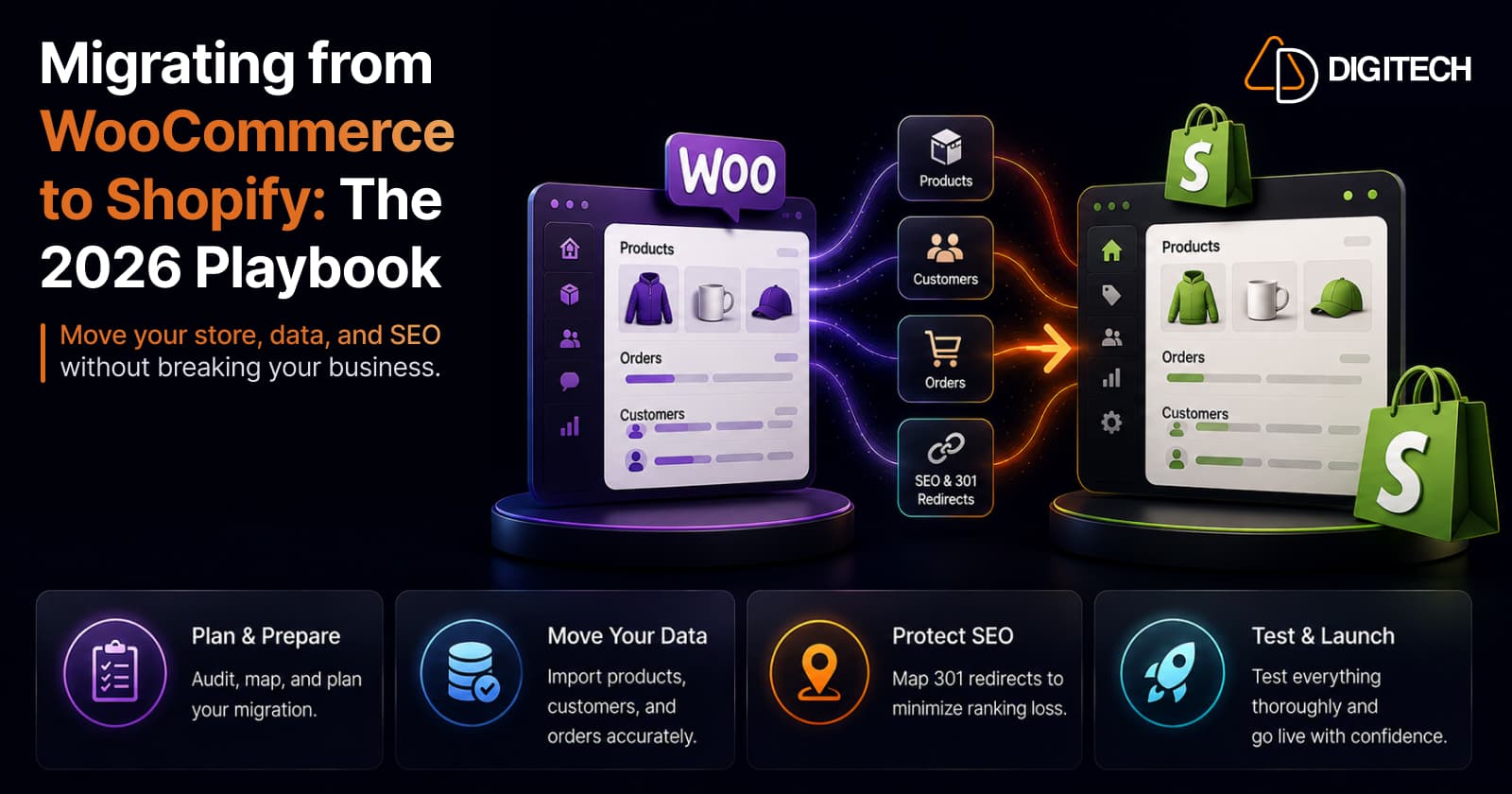
Migrating from WooCommerce to Shopify: The 2026 Playbook
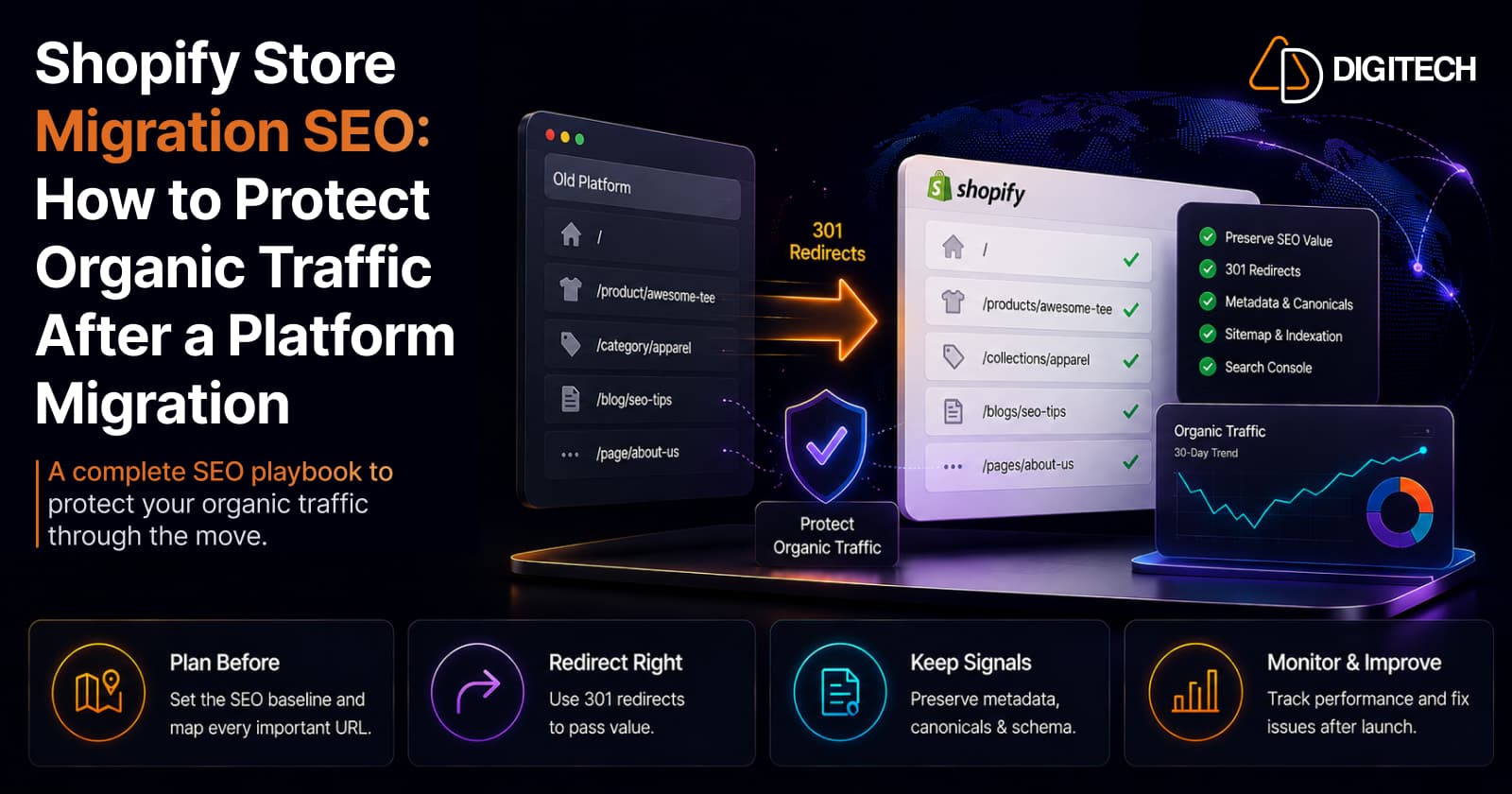
A practical WooCommerce to Shopify migration guide for 2026: how to move products, customers, orders, and SEO without breaking your business. Planning, redirects, data, and launch.
Explore expert-written guides, technical tutorials, case studies, and implementation strategies covering Shopify development, Shopify apps, Shopify Plus, SaaS product engineering, AI commerce, SEO, CRO, and modern web technologies. Every article is based on real client projects and hands-on experience from the AD Digitech engineering team.

A practical WooCommerce to Shopify migration guide for 2026: how to move products, customers, orders, and SEO without breaking your business. Planning, redirects, data, and launch.

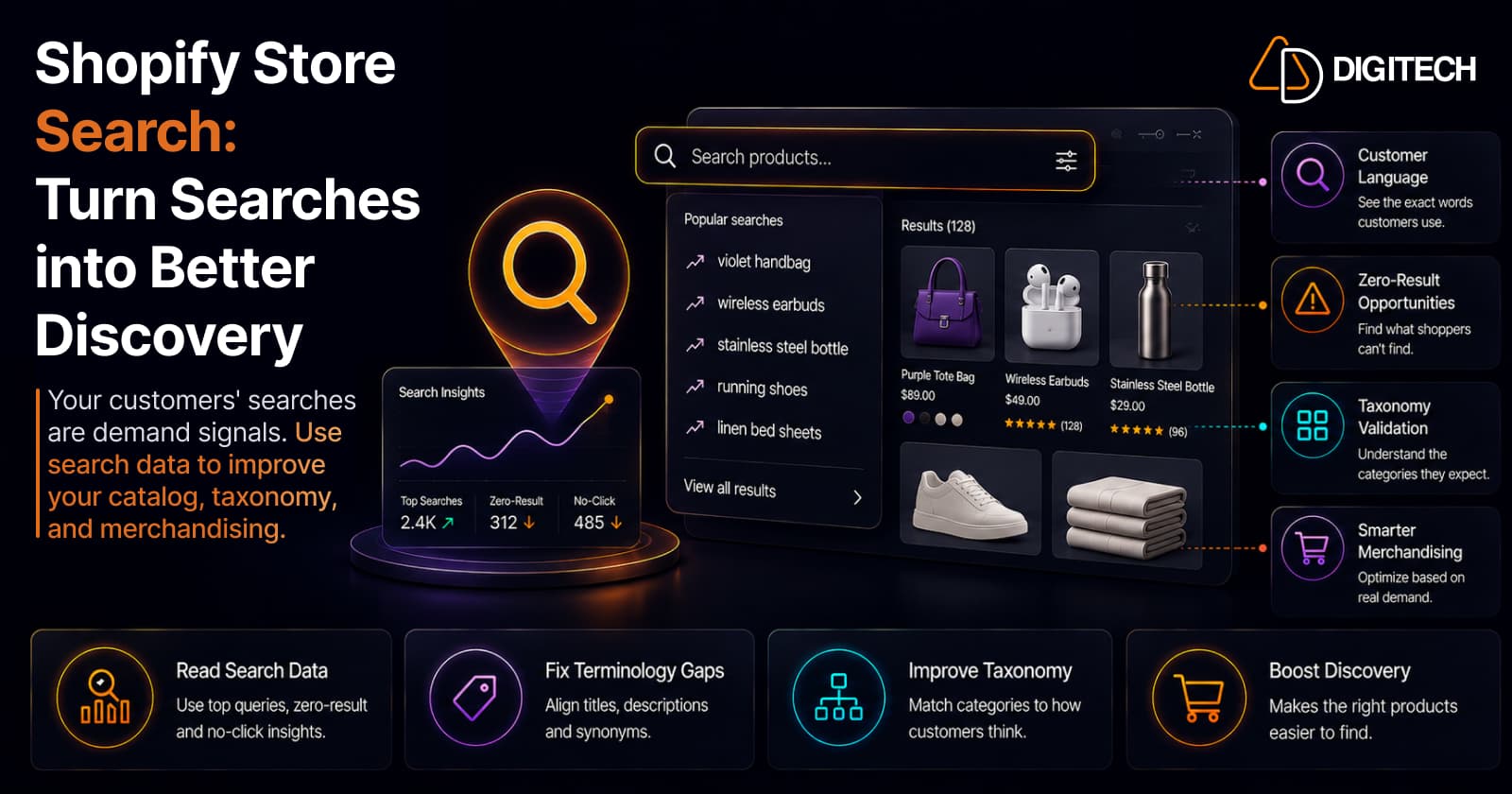
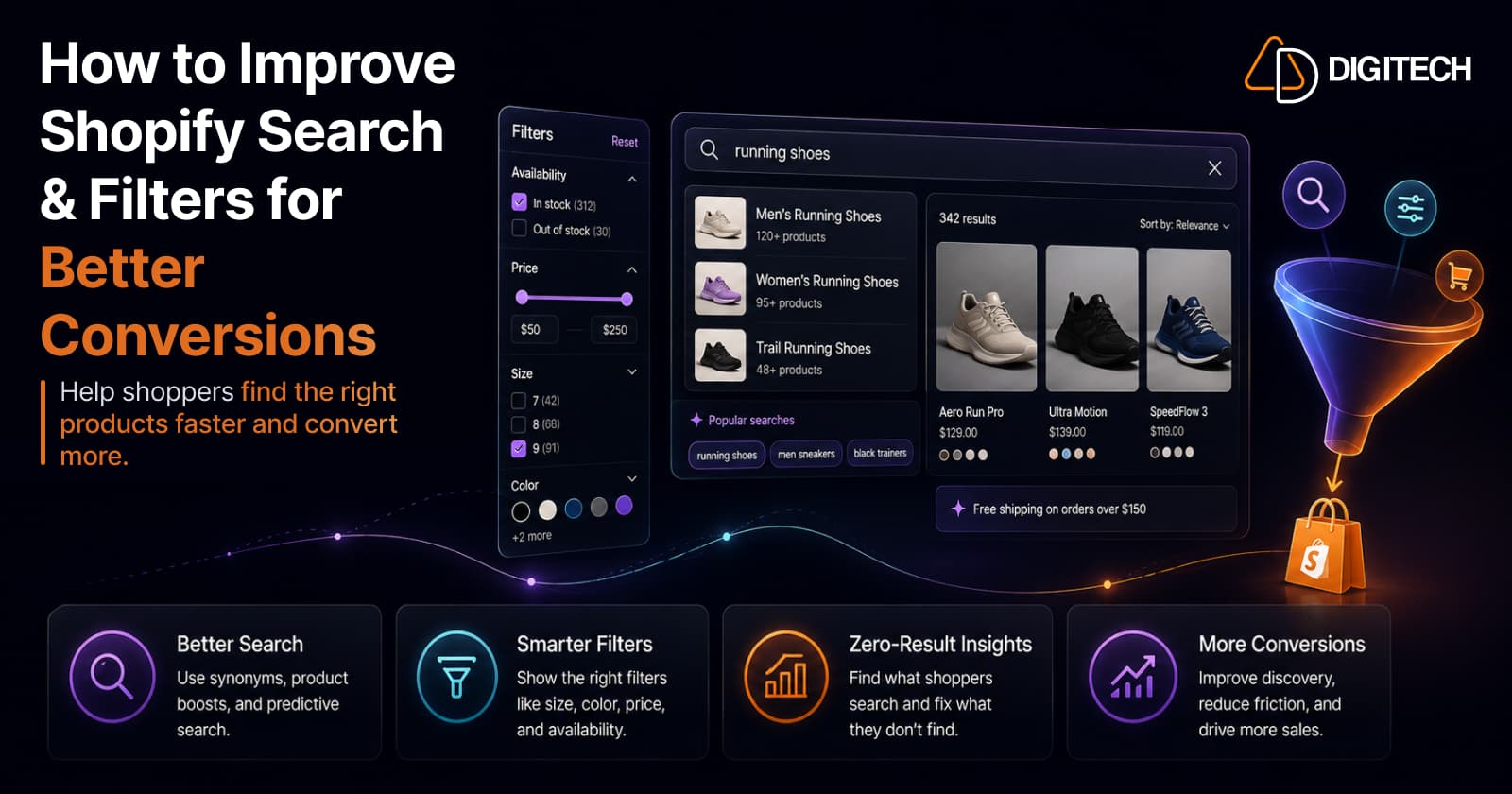
Shoppers can't buy what they can't find. A merchant-first guide to improving Shopify search, filters, and product discovery so buying intent turns into sales.

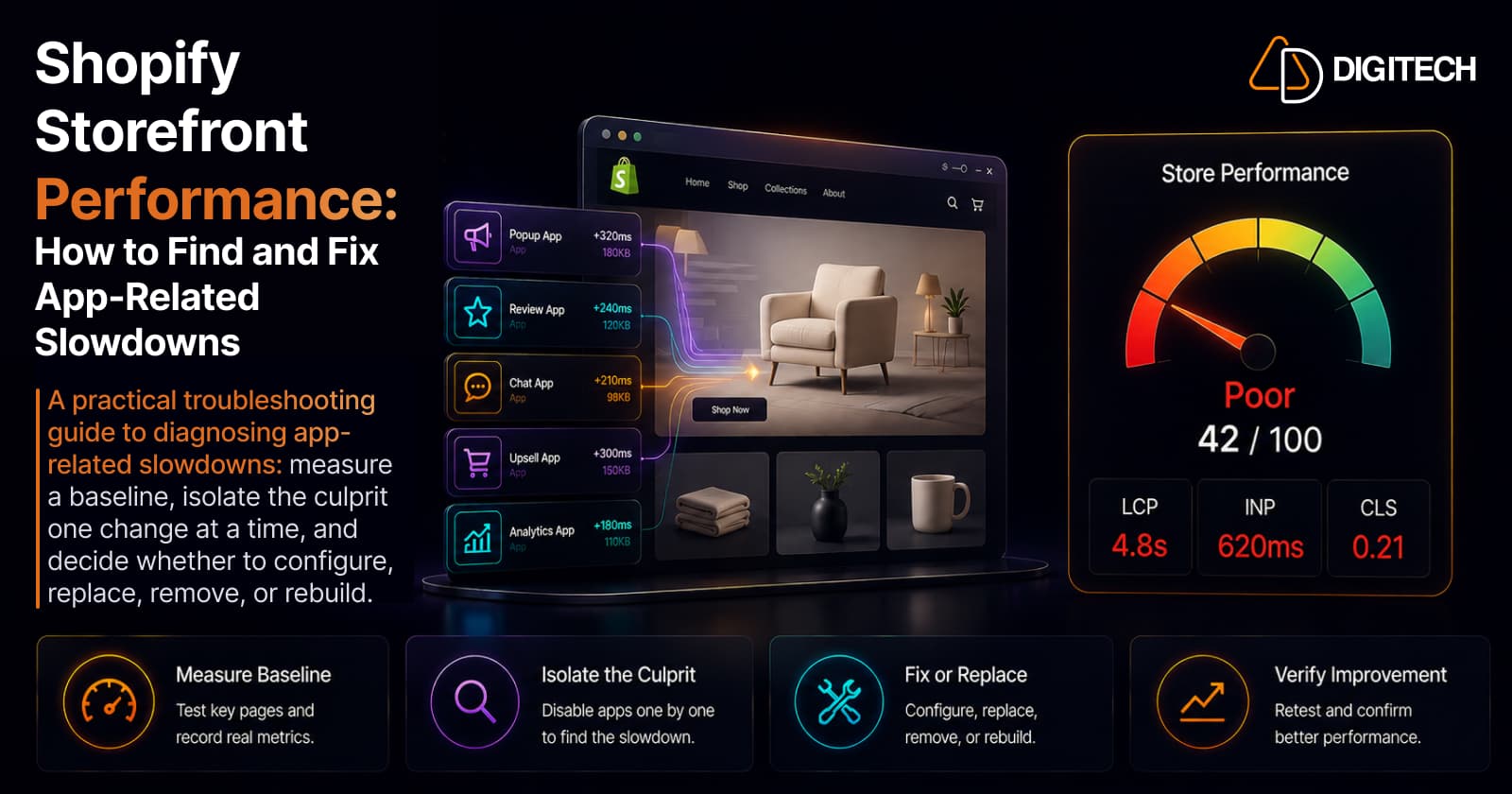
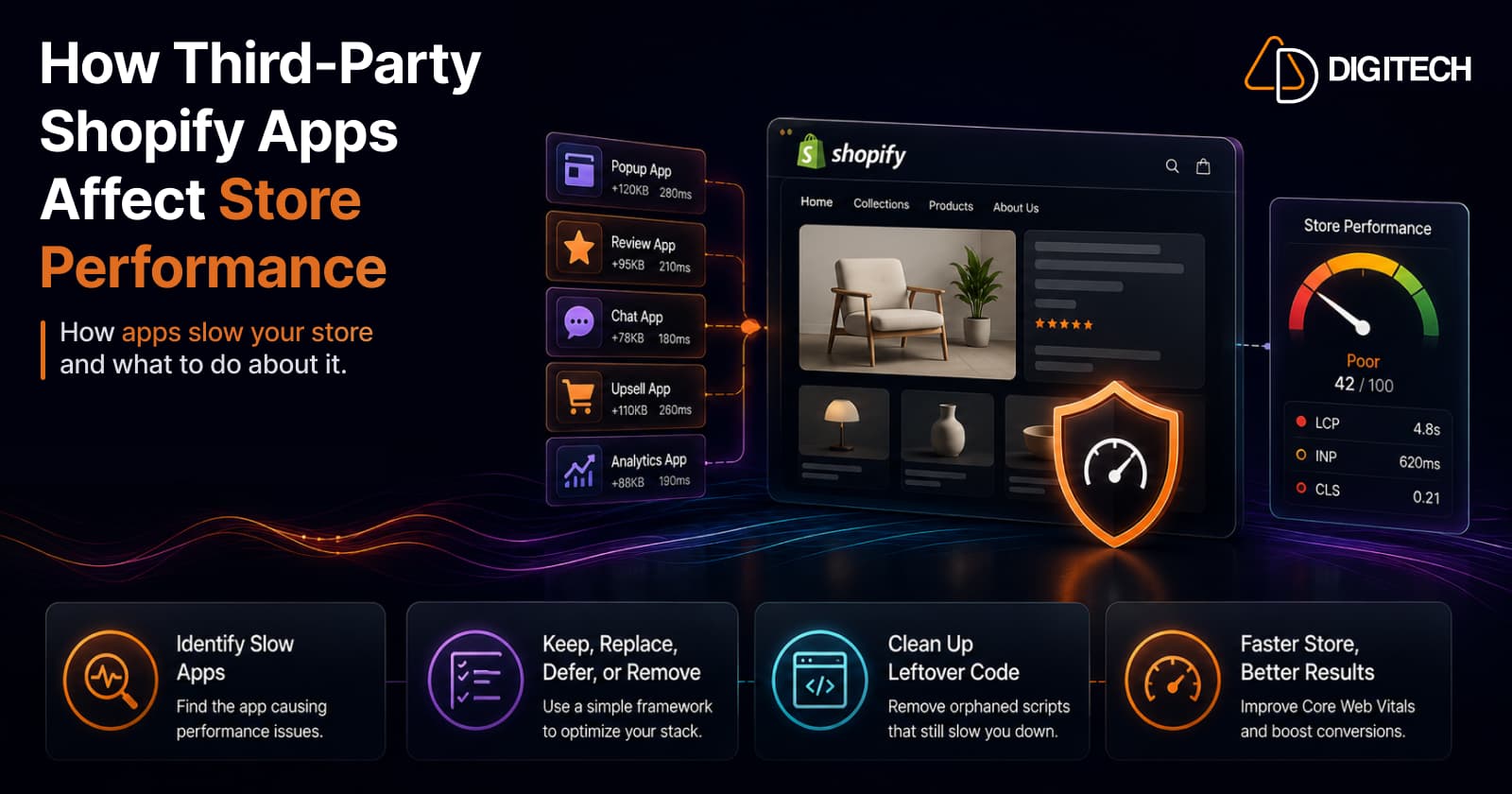
Third-party apps are the #1 cause of slow Shopify stores — but the answer isn't zero apps, it's a lean, intentional stack. Here's exactly how apps hurt performance, the difference between the ones that matter and the ones that don't, how to find which app is slowing you down, and a keep/replace/defer/remove framework to fix it without losing function.

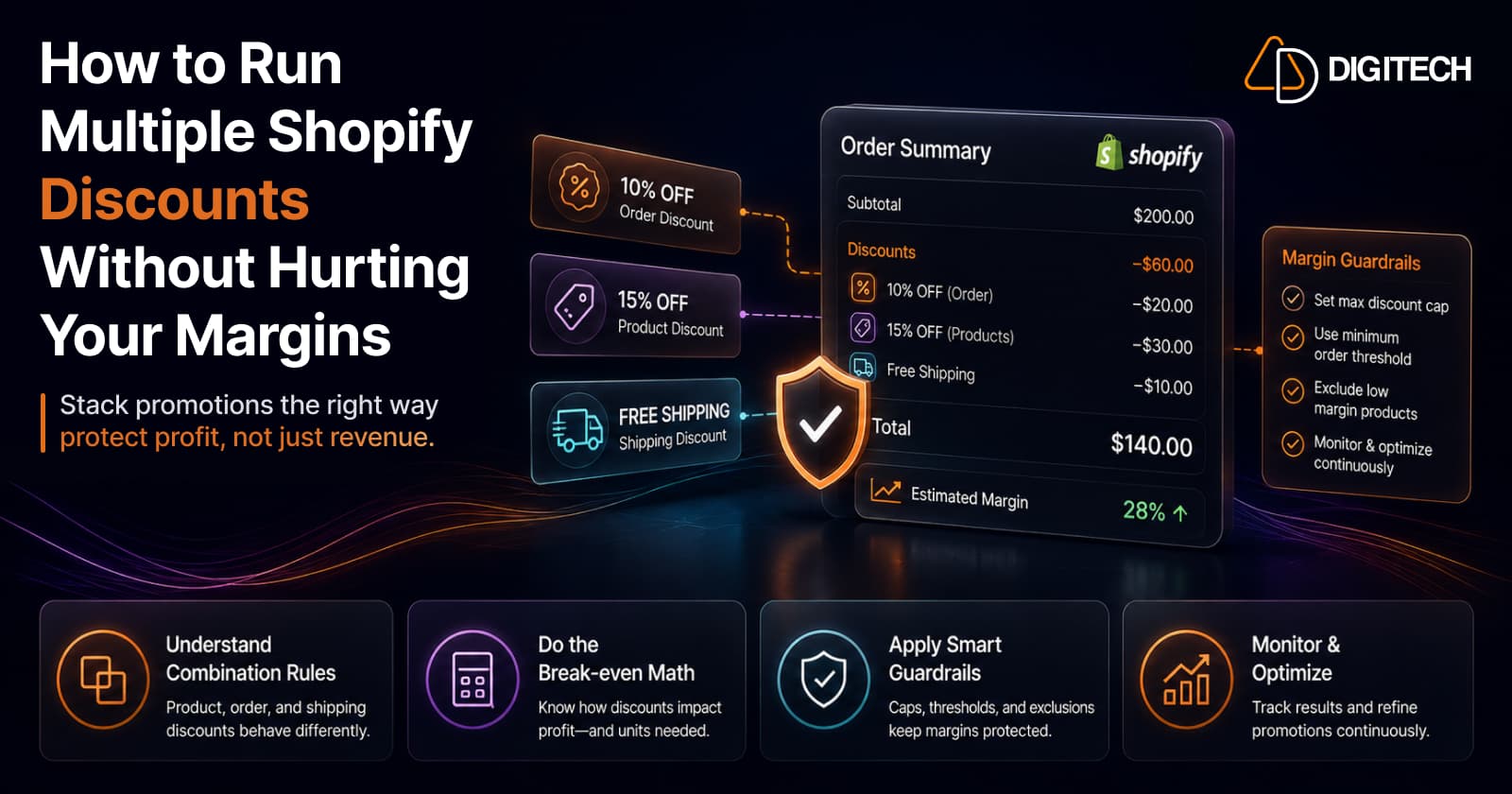
Shopify's discount combination rules are protective by default — the risk is what happens when you loosen them. Because a discount comes entirely out of profit, not revenue, stacking promotions can quietly ship orders below your profit floor. Here's how Shopify combinations actually work, the break-even math, and the guardrails that let you run several discounts at once without eroding margin.

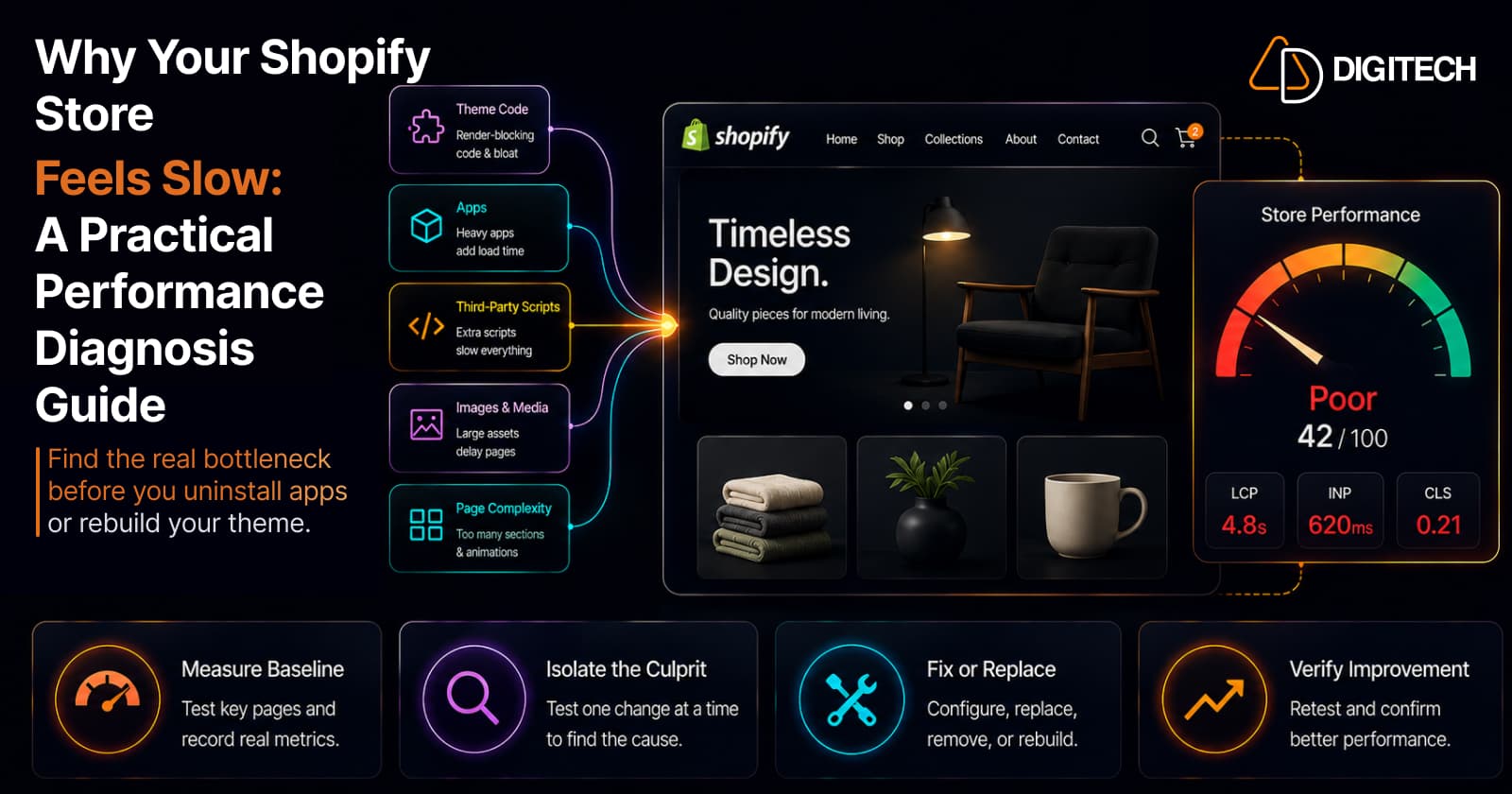
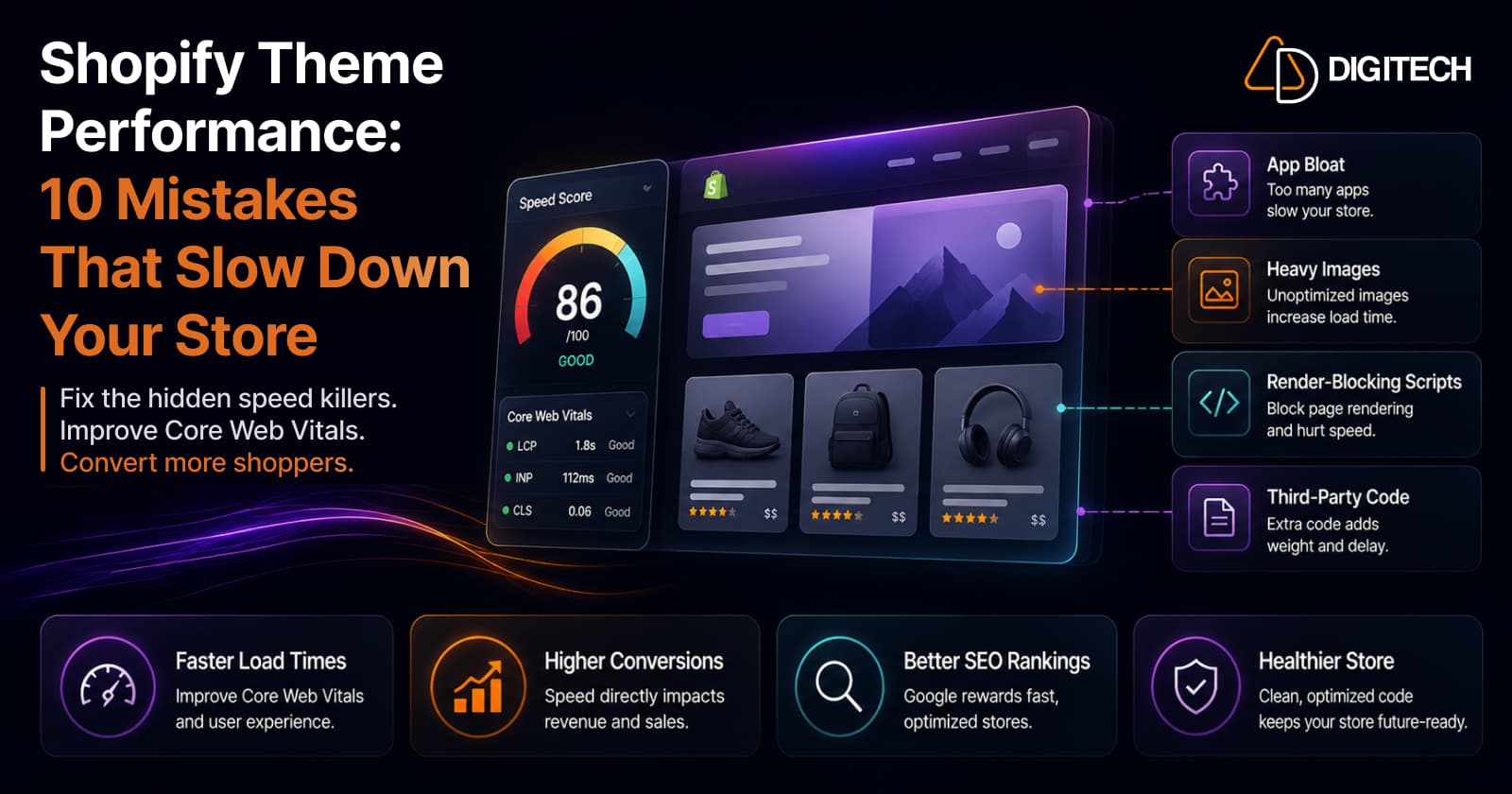
Most Shopify stores are guilty of four or five of these — and the big three (app bloat, heavy images, render-blocking scripts) cause the majority of the damage. Here are the 10 theme-performance mistakes we check for on every audit, with the real numbers behind each, and the honest fix: it's almost always subtraction, not another app.

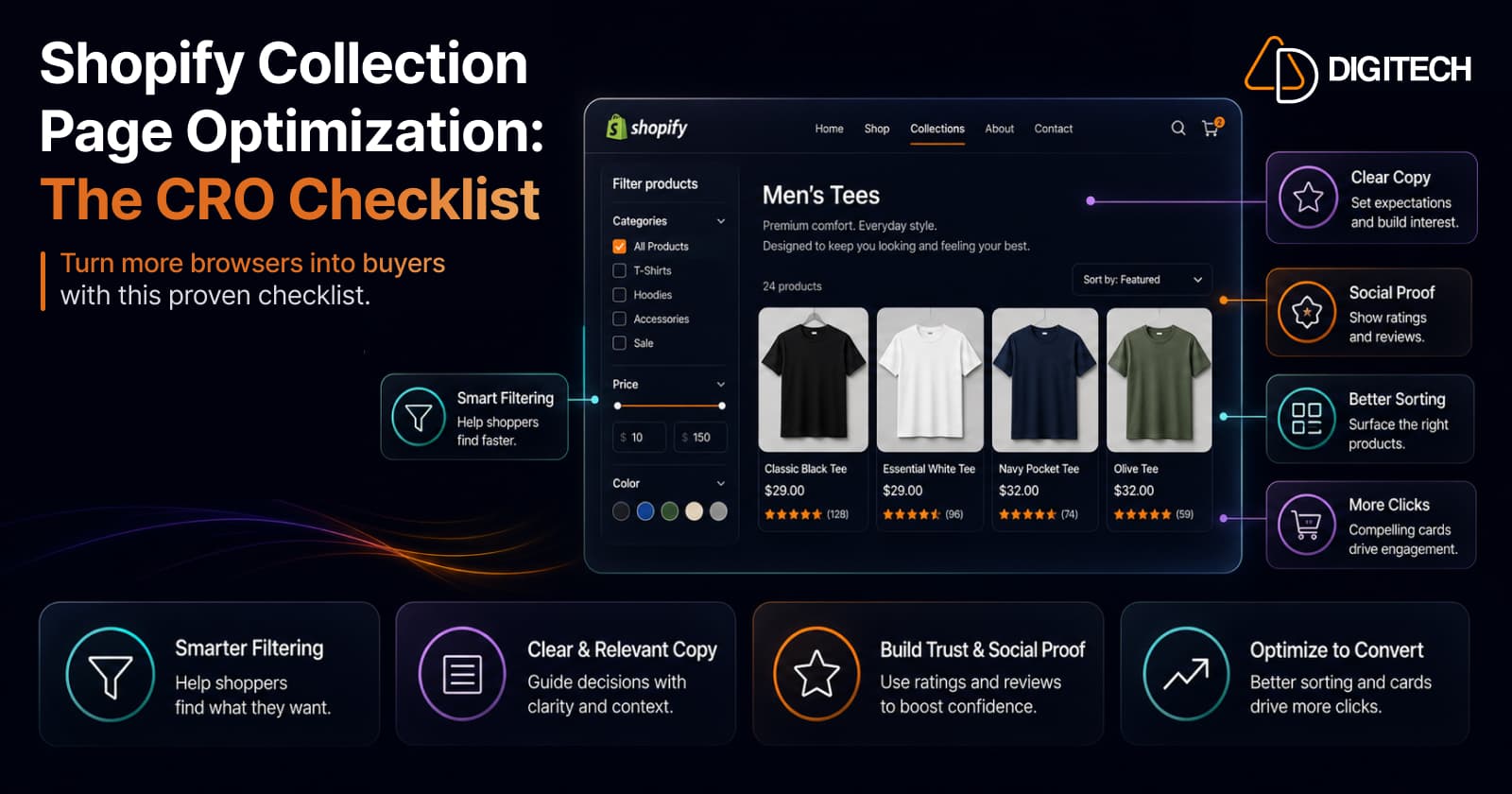
Your collection page decides whether shoppers ever reach your product pages — and it quietly drives 30–40% of your organic traffic. Most stores leave it on default sort with no copy. Here's the full CRO checklist for Shopify collection pages, in priority order, plus the honest part: the checklist is a hypothesis, and faceted navigation is an SEO trap.

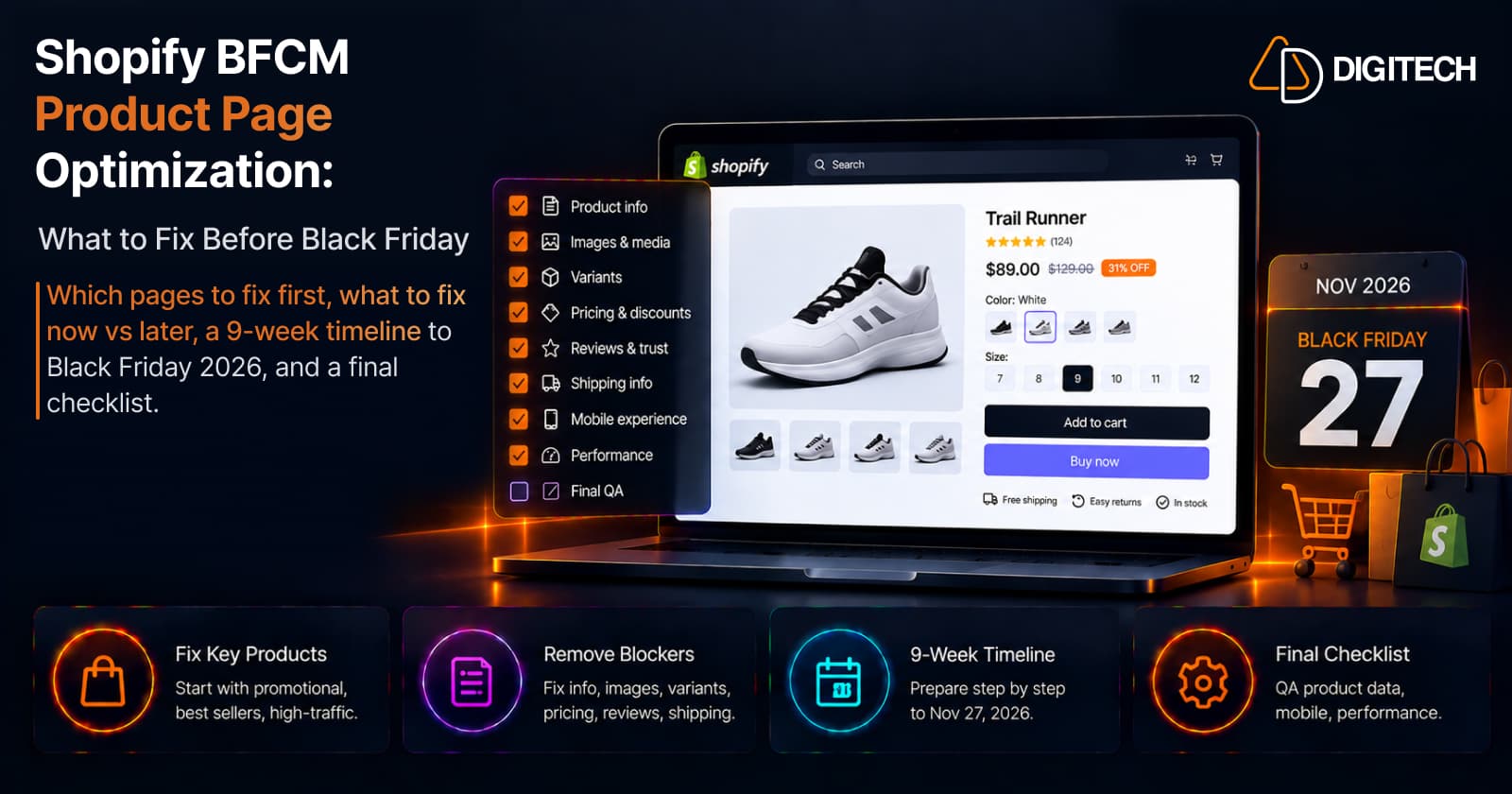
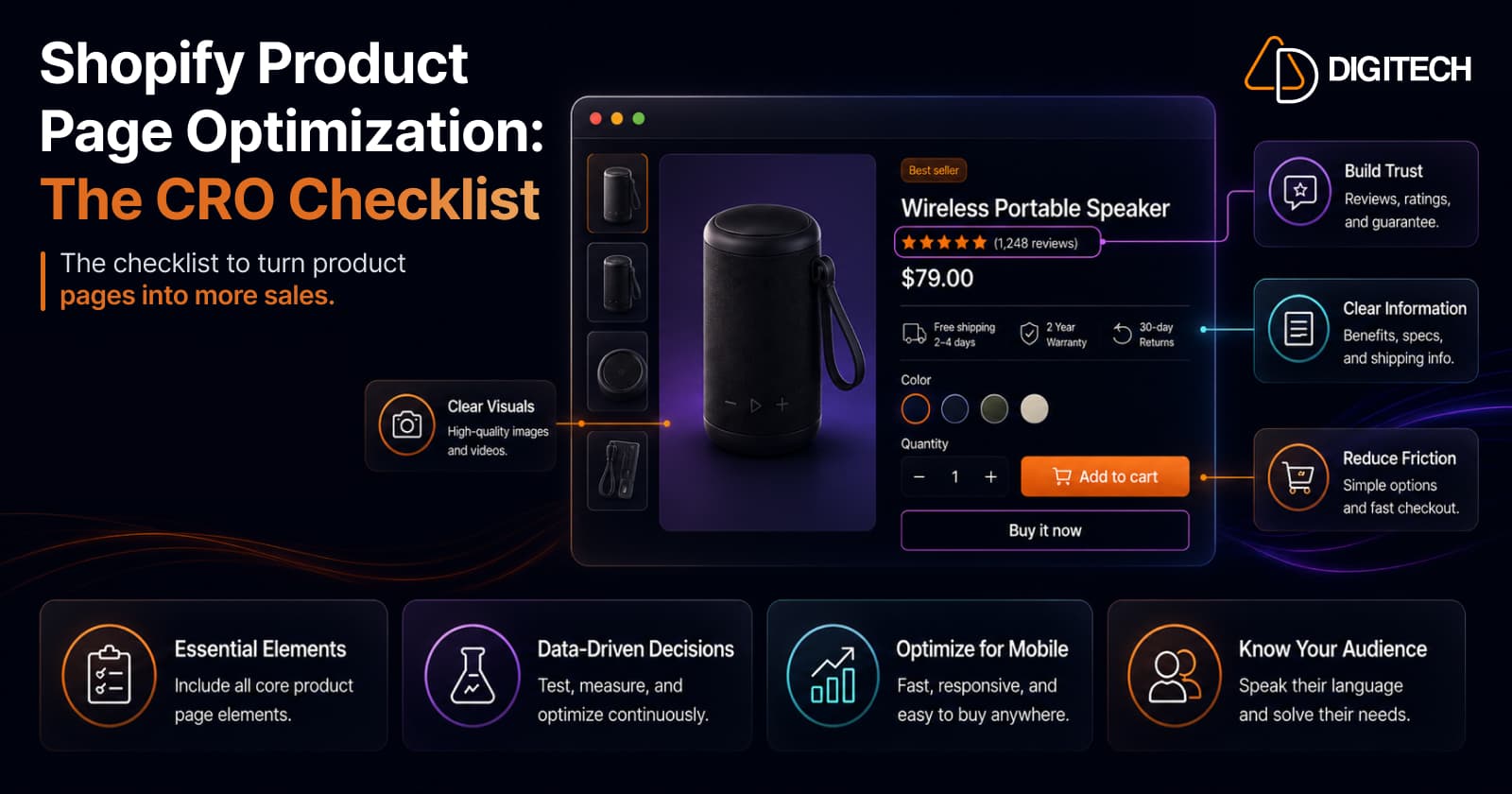
A product-page checklist gets you to table stakes — pages with all the core elements convert 2–3x better than pages missing even one. But a checklist is a hypothesis, not a strategy. Here's the full CRO checklist we actually run on Shopify product pages, in priority order, plus the honest part most listicles skip: where checklists mislead.

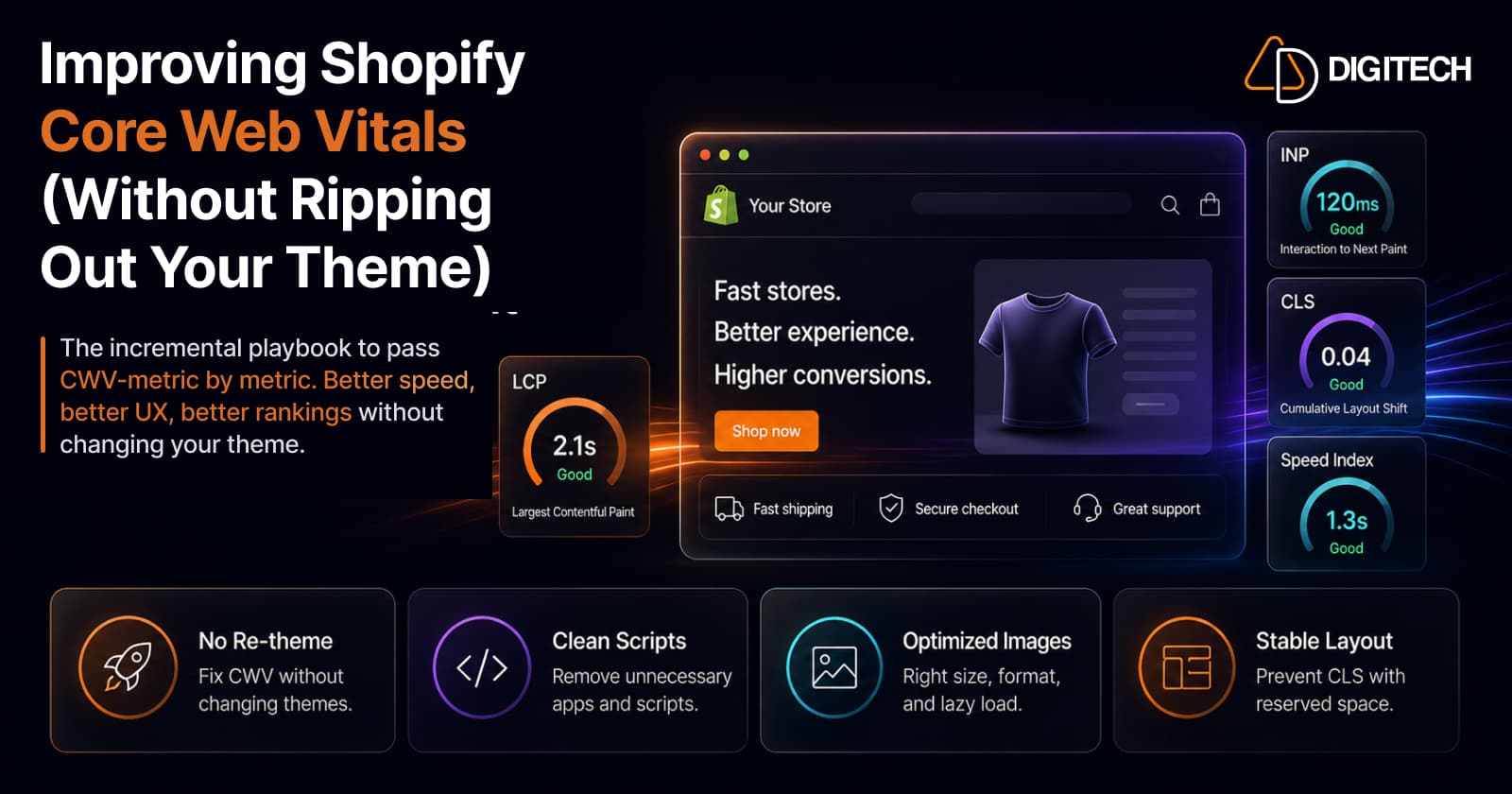
You almost never need a re-theme to pass Core Web Vitals. On hosted Shopify the server is already fast — stores fail because of what gets piled on top: apps, scripts, oversized images, and layout shift. All fixable in place. Here's the incremental playbook, metric by metric, plus why your admin Speed Score isn't the number Google ranks on.

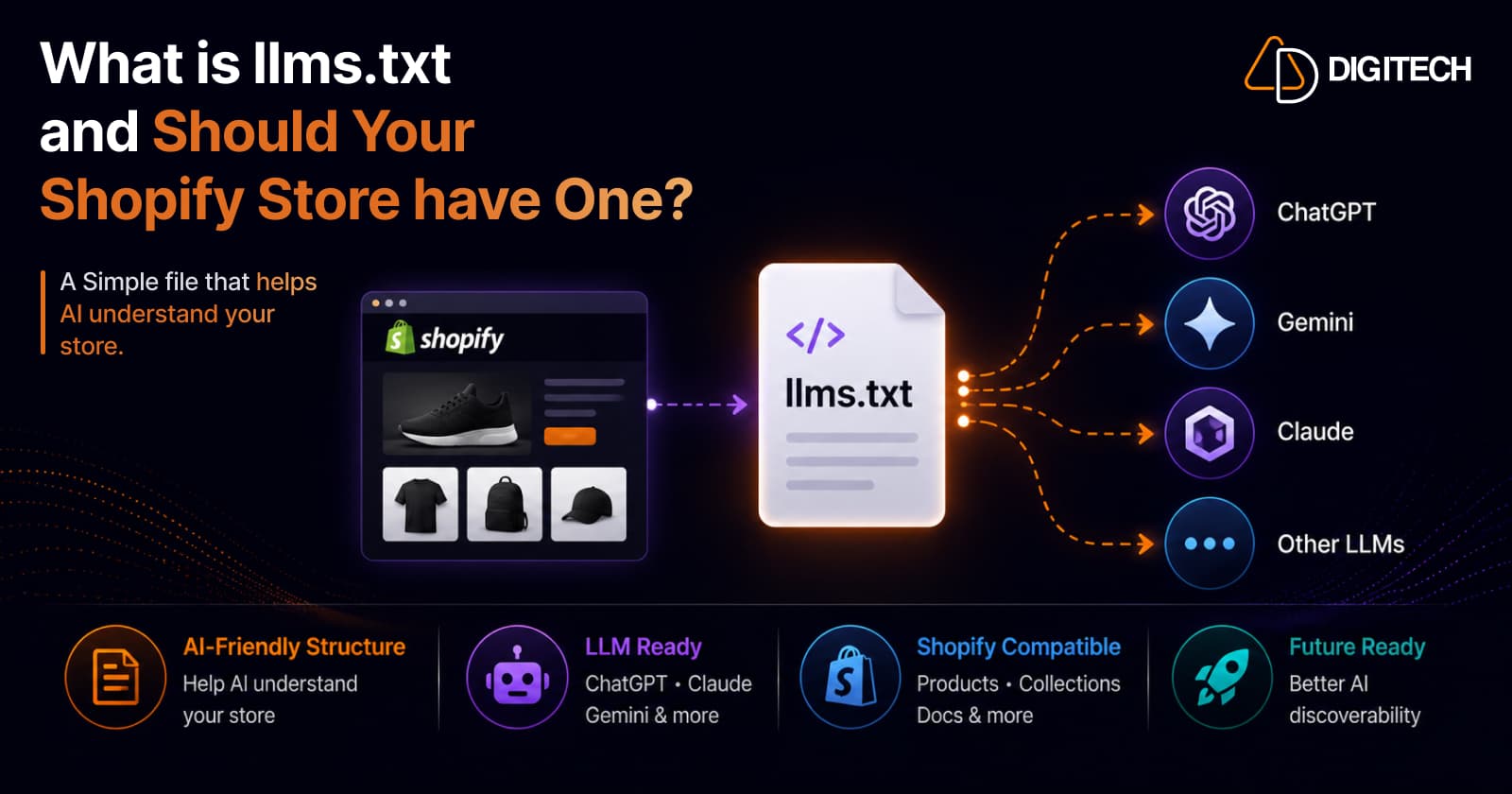
llms.txt is a proposed file that tells AI models which of your pages matter. But here's the honest truth: no major AI platform has confirmed it reads them, and Google said no on the record. So should your Shopify store have one? A qualified yes — as cheap insurance, not a strategy. Here's what it is, what the evidence actually shows, and where AI visibility really comes from.

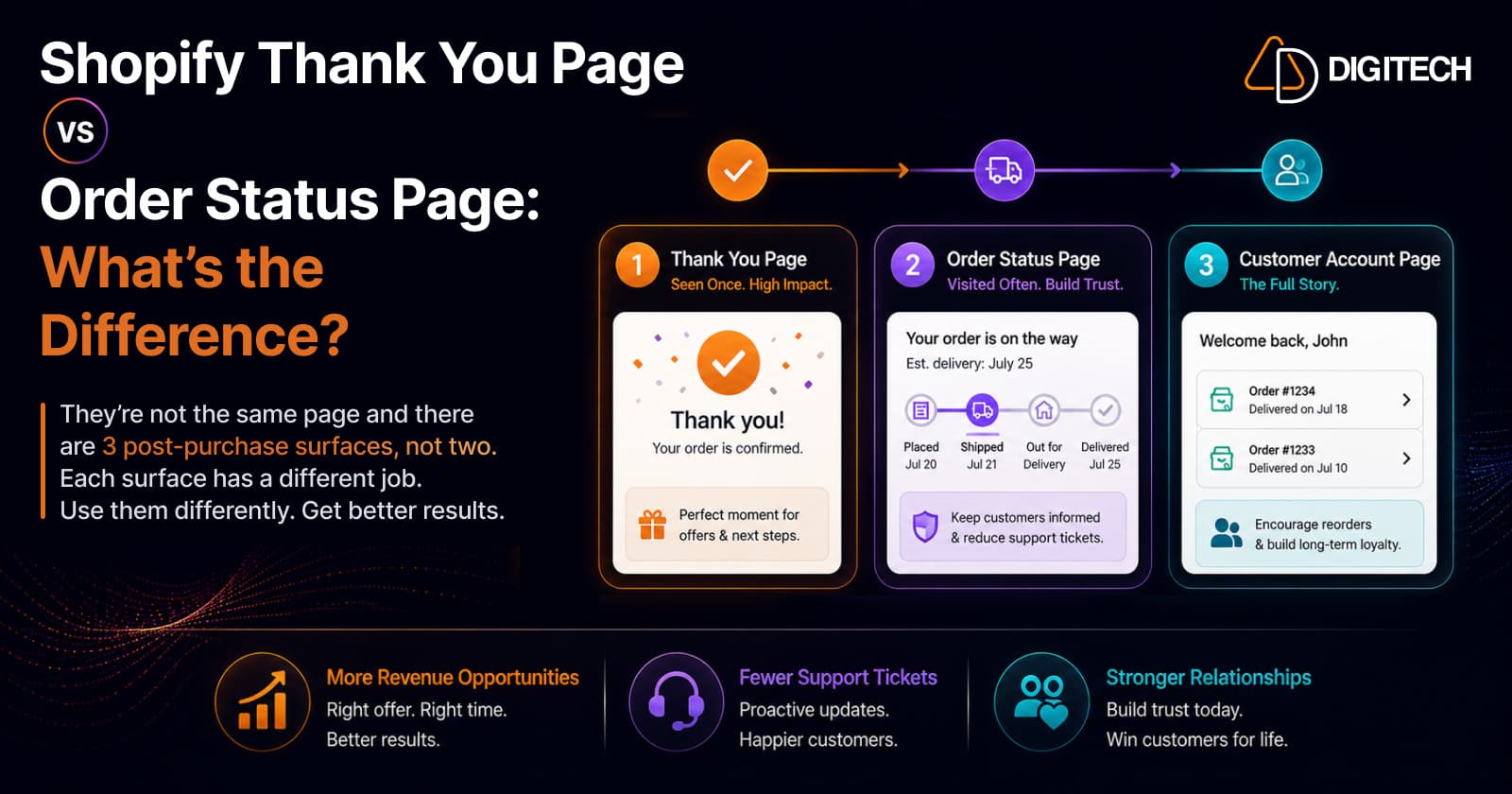
They're not the same page — and there are three post-purchase surfaces, not two. The thank you page is seen once at peak attention, the order status page is returned to repeatedly while they wait, and the customer account page lasts the whole relationship. Separate extension targets, different jobs — putting identical content on all three wastes the difference.

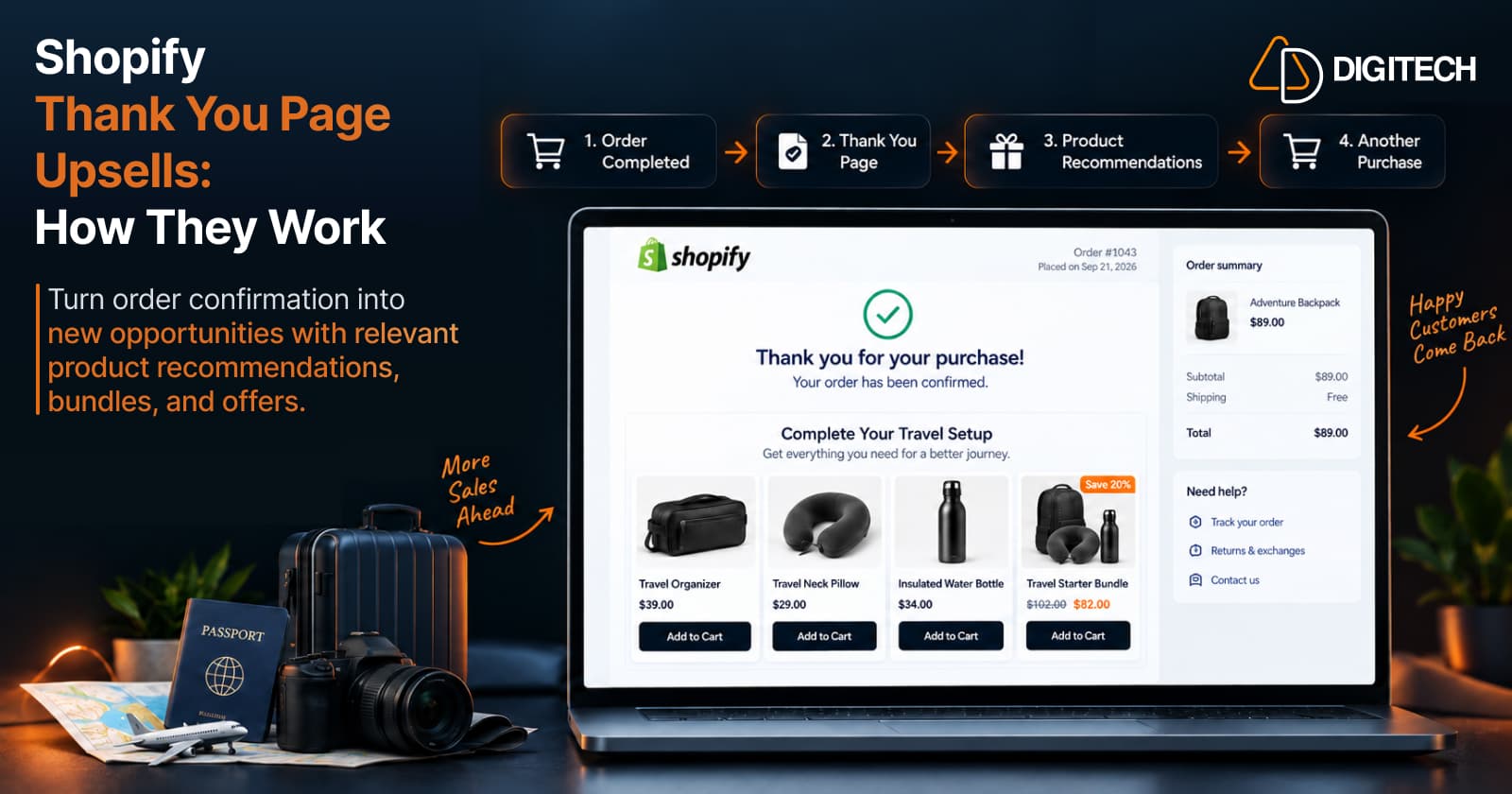
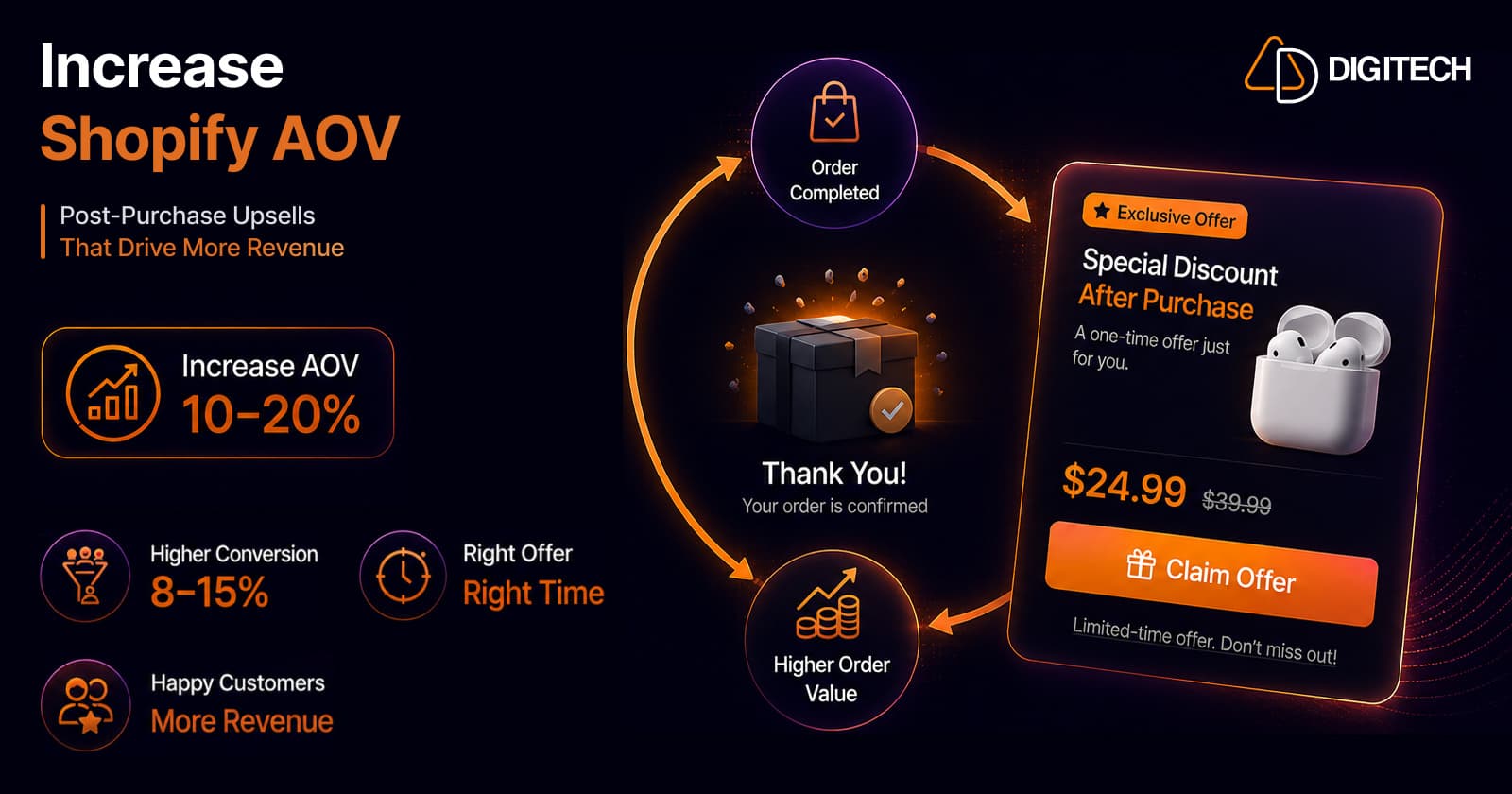
Post-purchase upsells lift AOV by 10–20% — but only if you get the offer right. The pricing ratio, the relevance rule, and the one-offer principle decide whether you land 14% acceptance or under 3%. Here's the tactical playbook, with the benchmarks to measure yourself against.

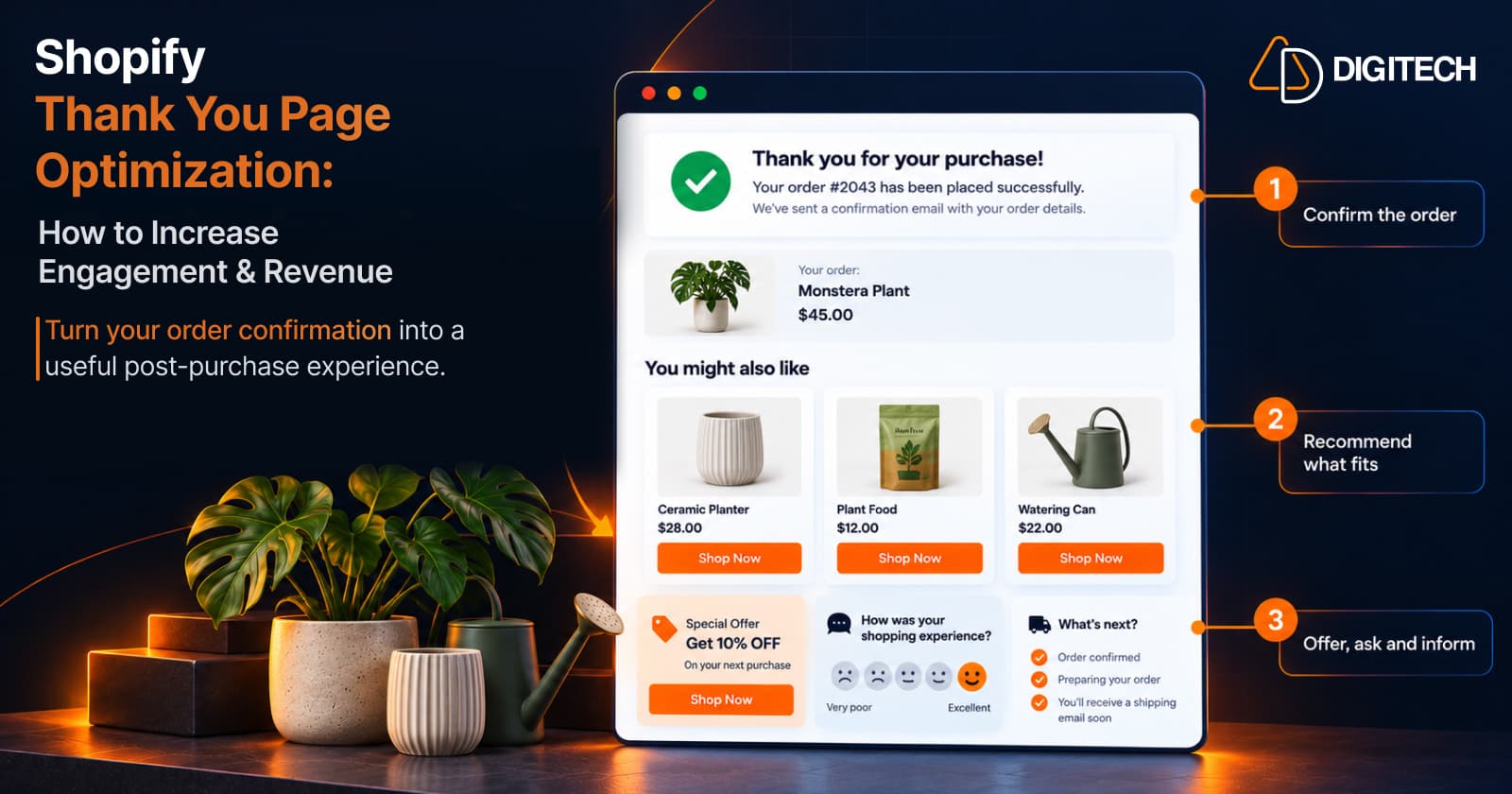
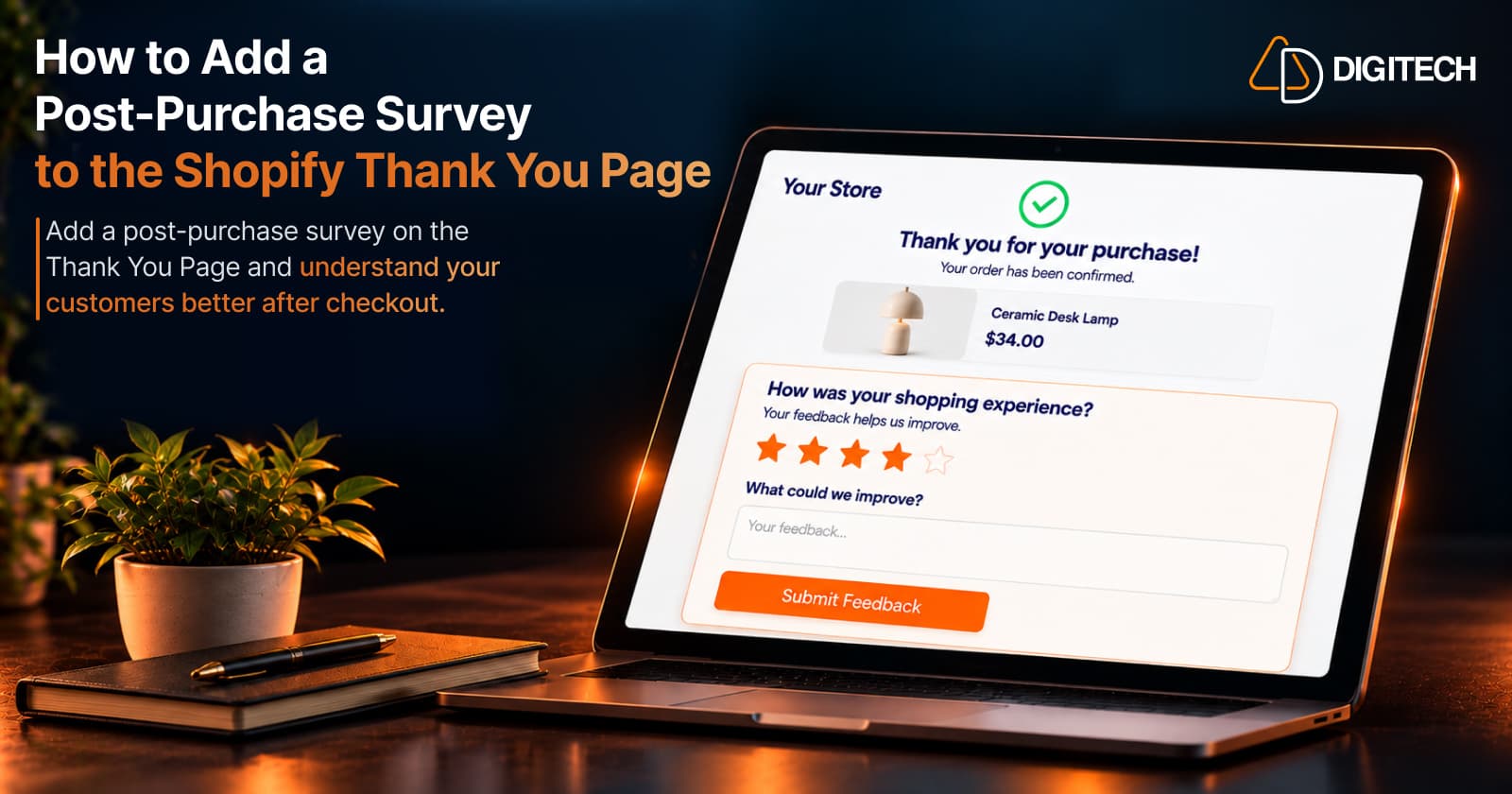
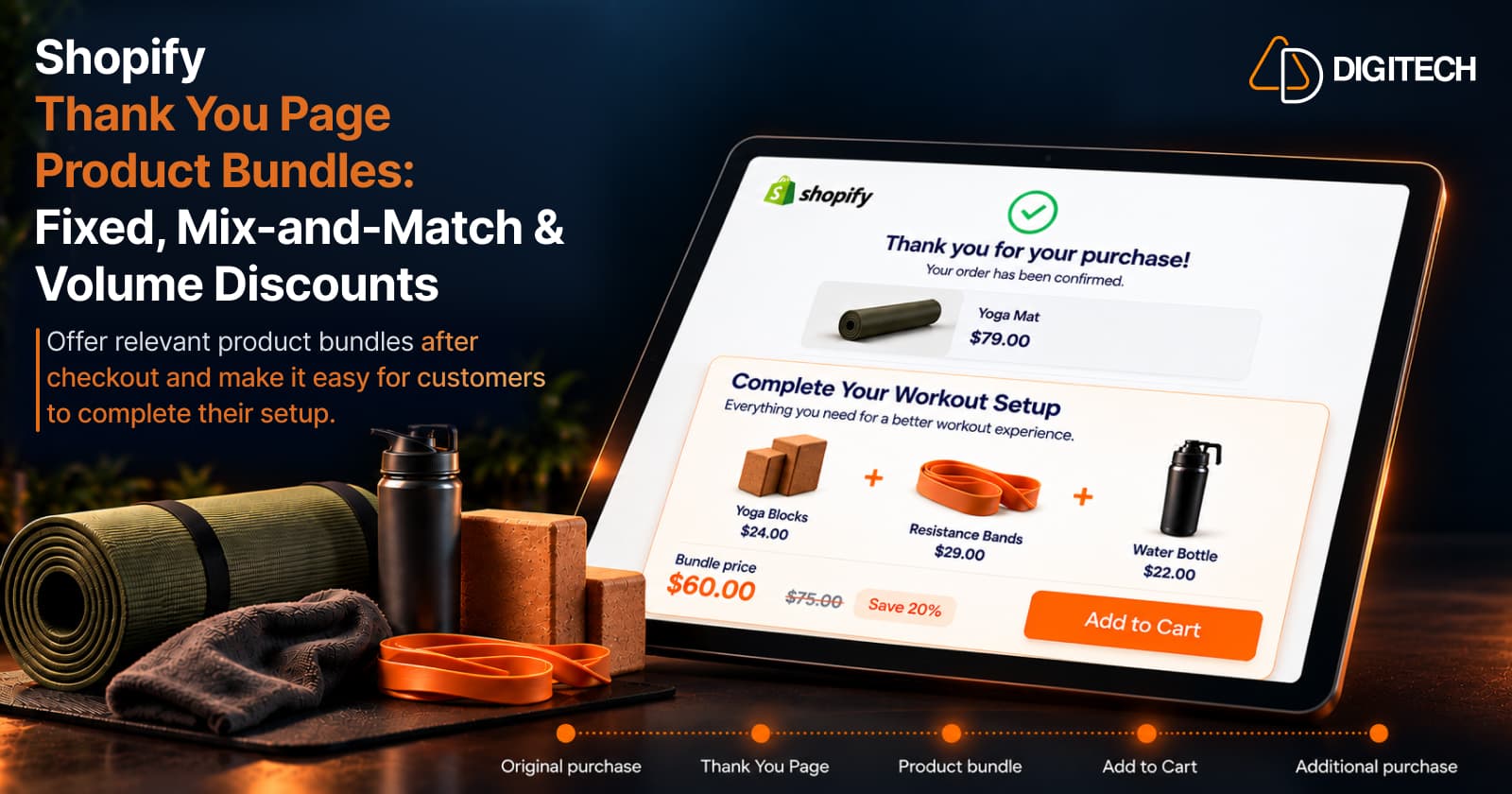
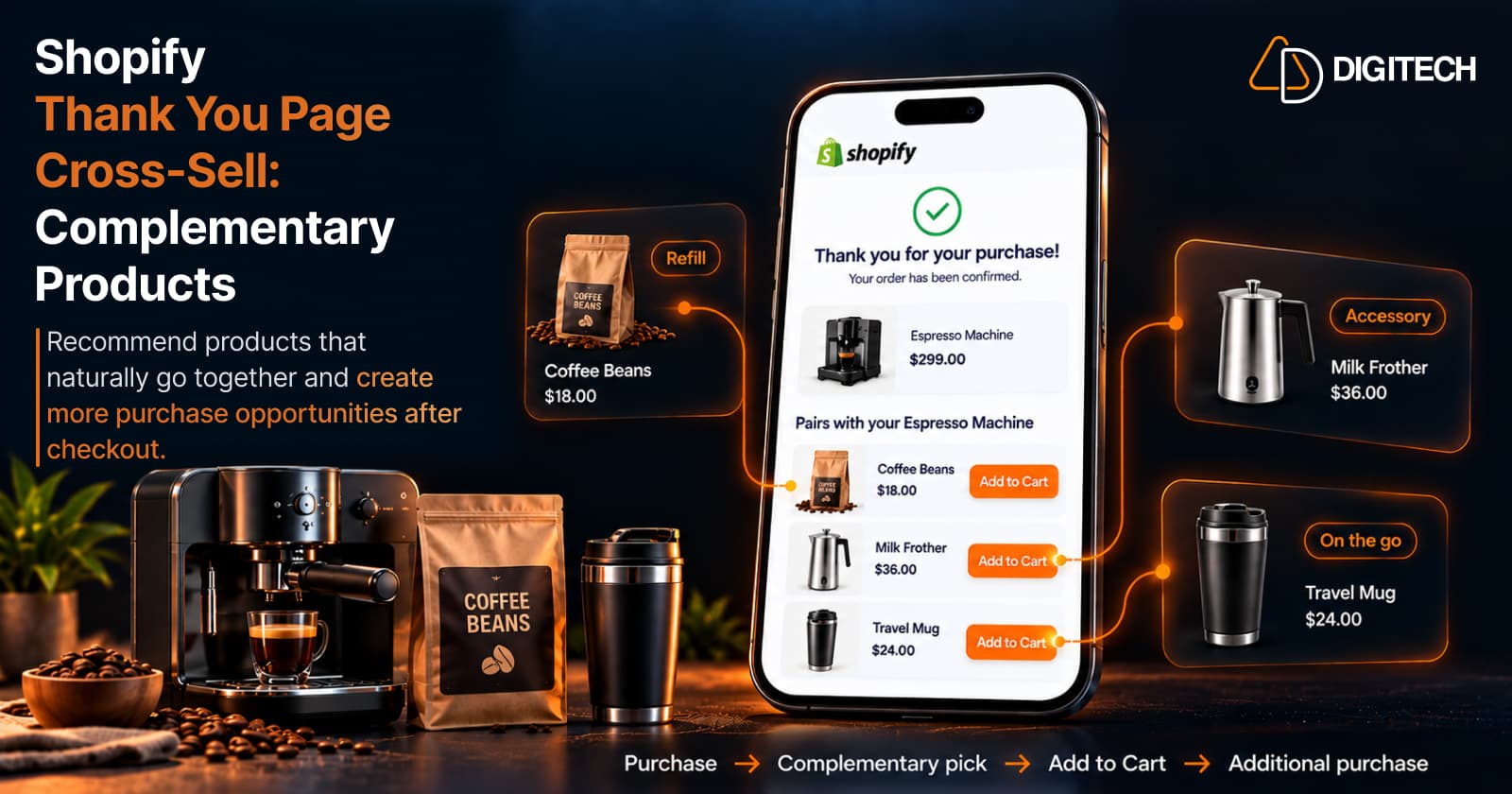
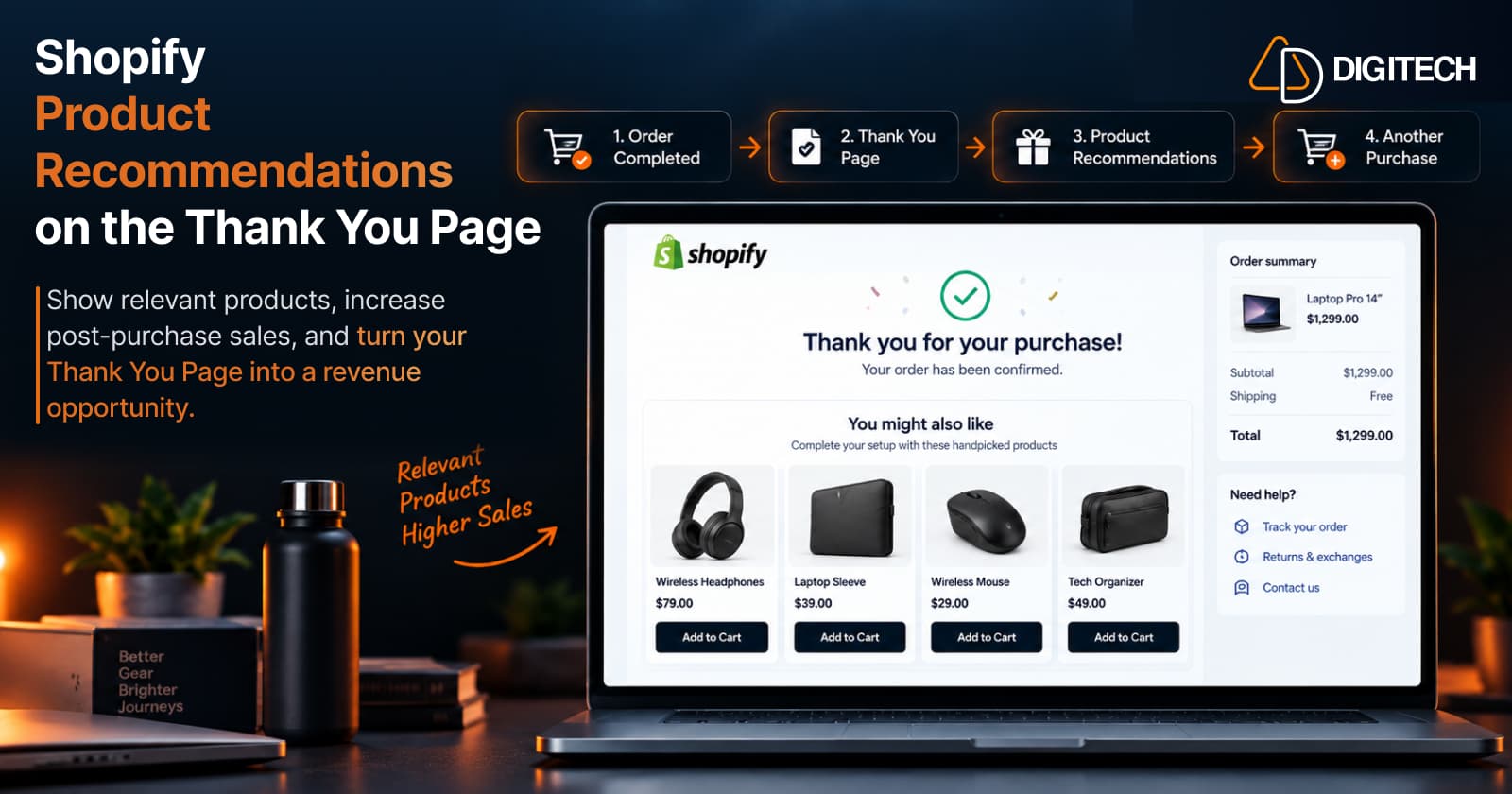
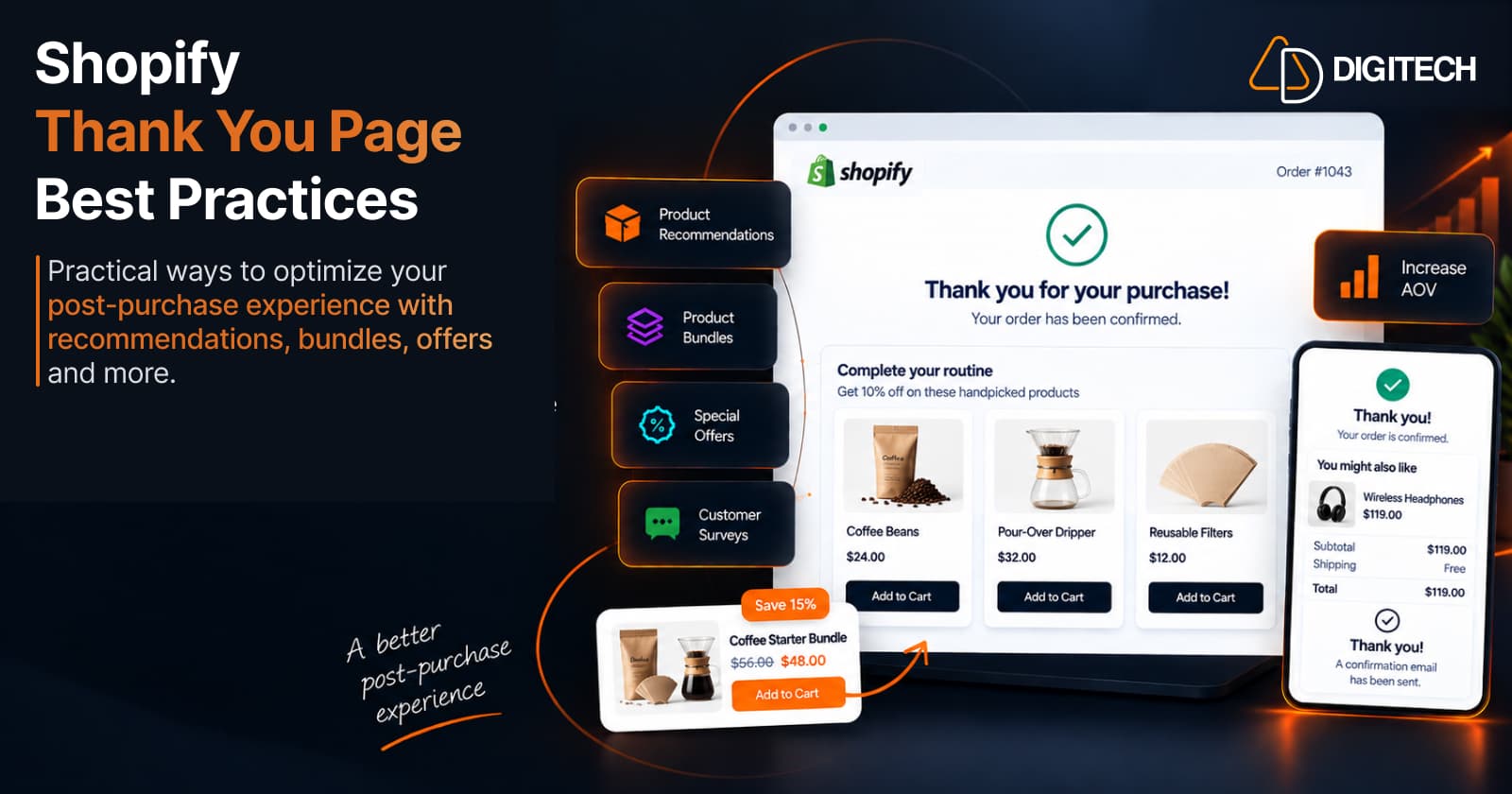
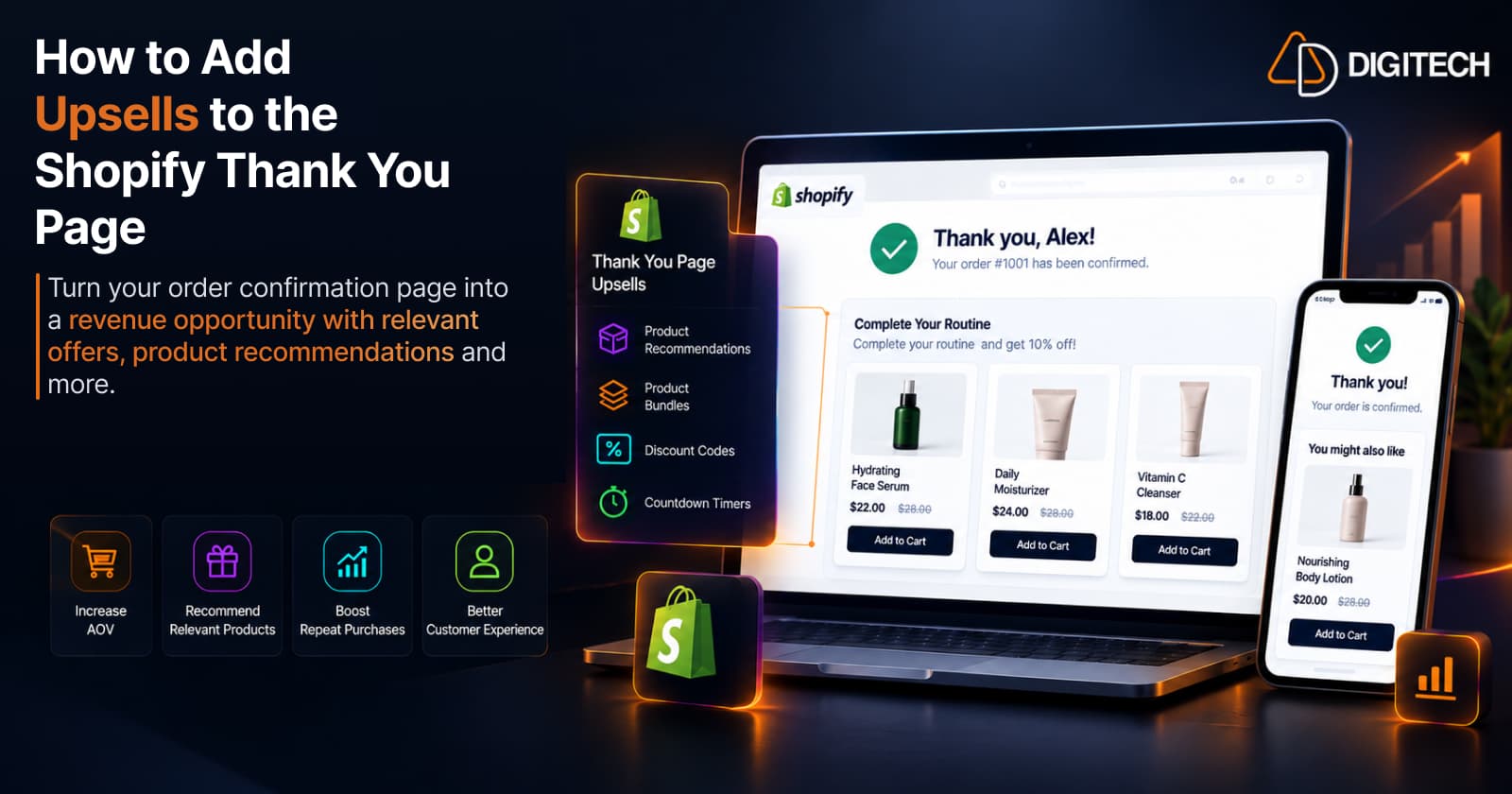
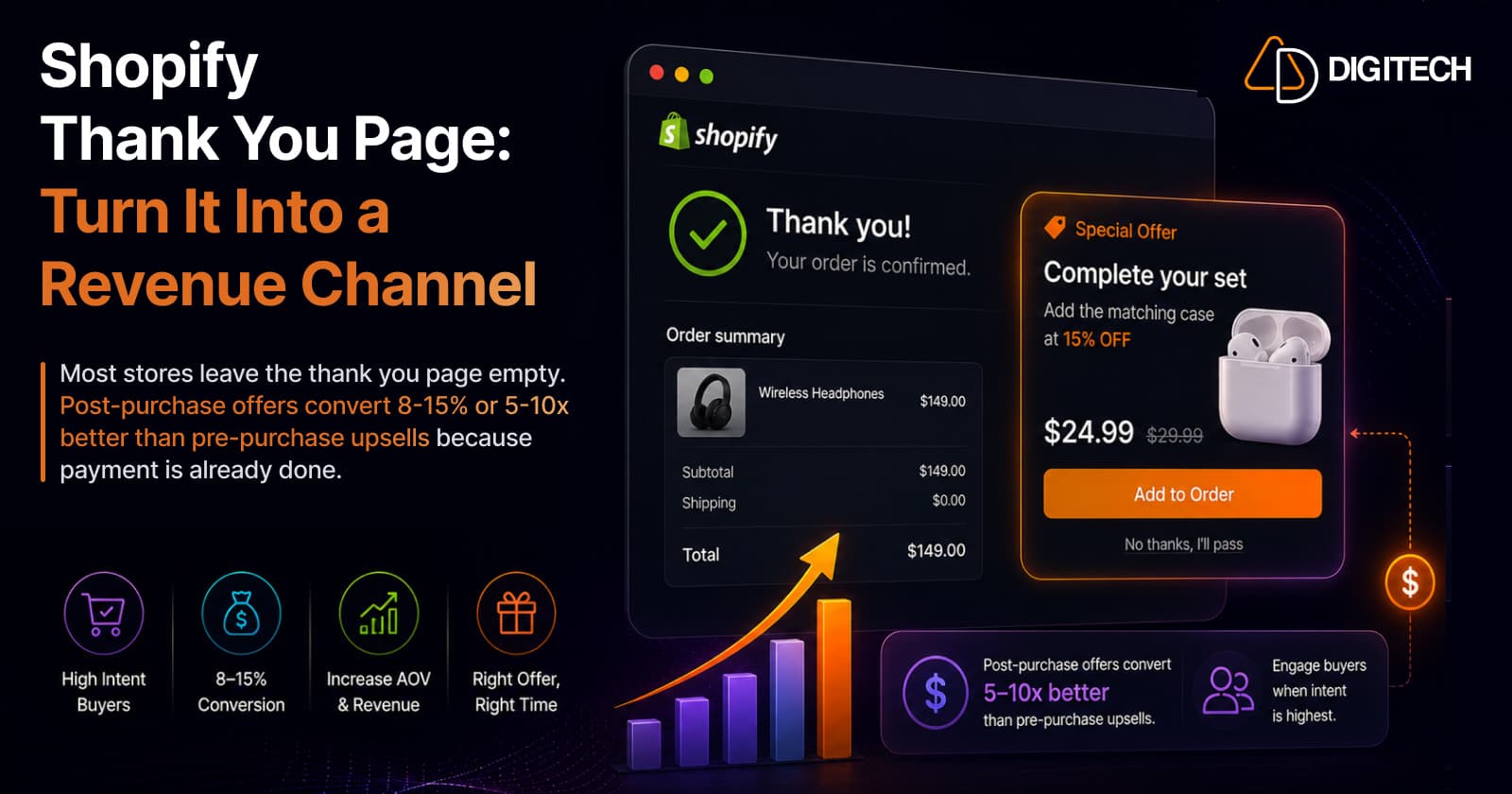
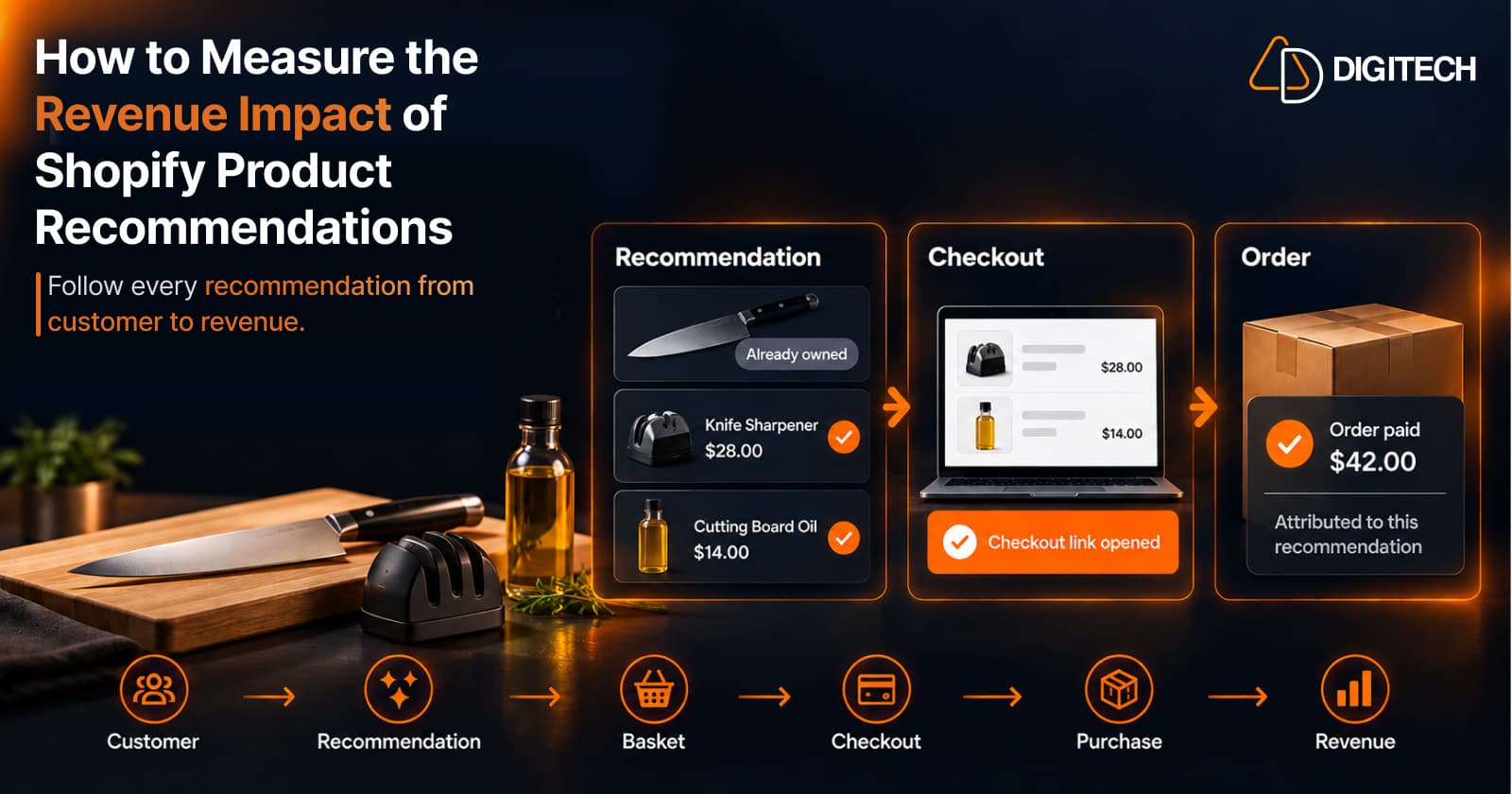
The thank you page is the second-most-viewed page in your store after the homepage — and most stores leave it completely empty. Post-purchase offers convert at 8–15%, five to ten times better than pre-purchase upsells, because the payment is already done. Here's how to turn that page into real revenue in 2026.

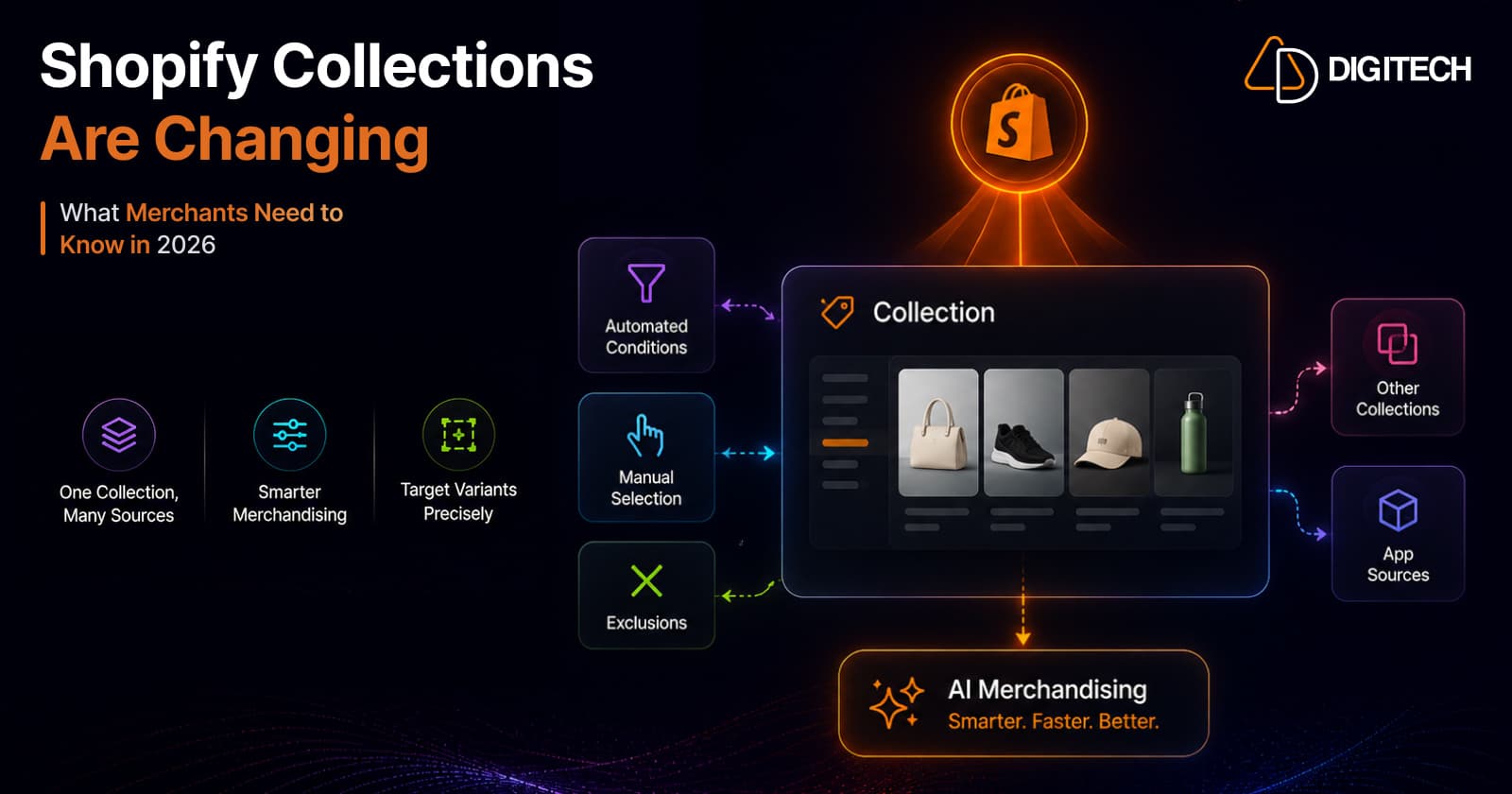
Shopify is overhauling collections in 2026 — the rigid 'smart vs custom' split is gone, replaced by a flexible Collection Sources model where one collection can combine automated conditions, manual picks, exclusions, other collections, and app sources. Add variant-level targeting and native AI merchandising, and here's what merchants (and their developers) need to know.

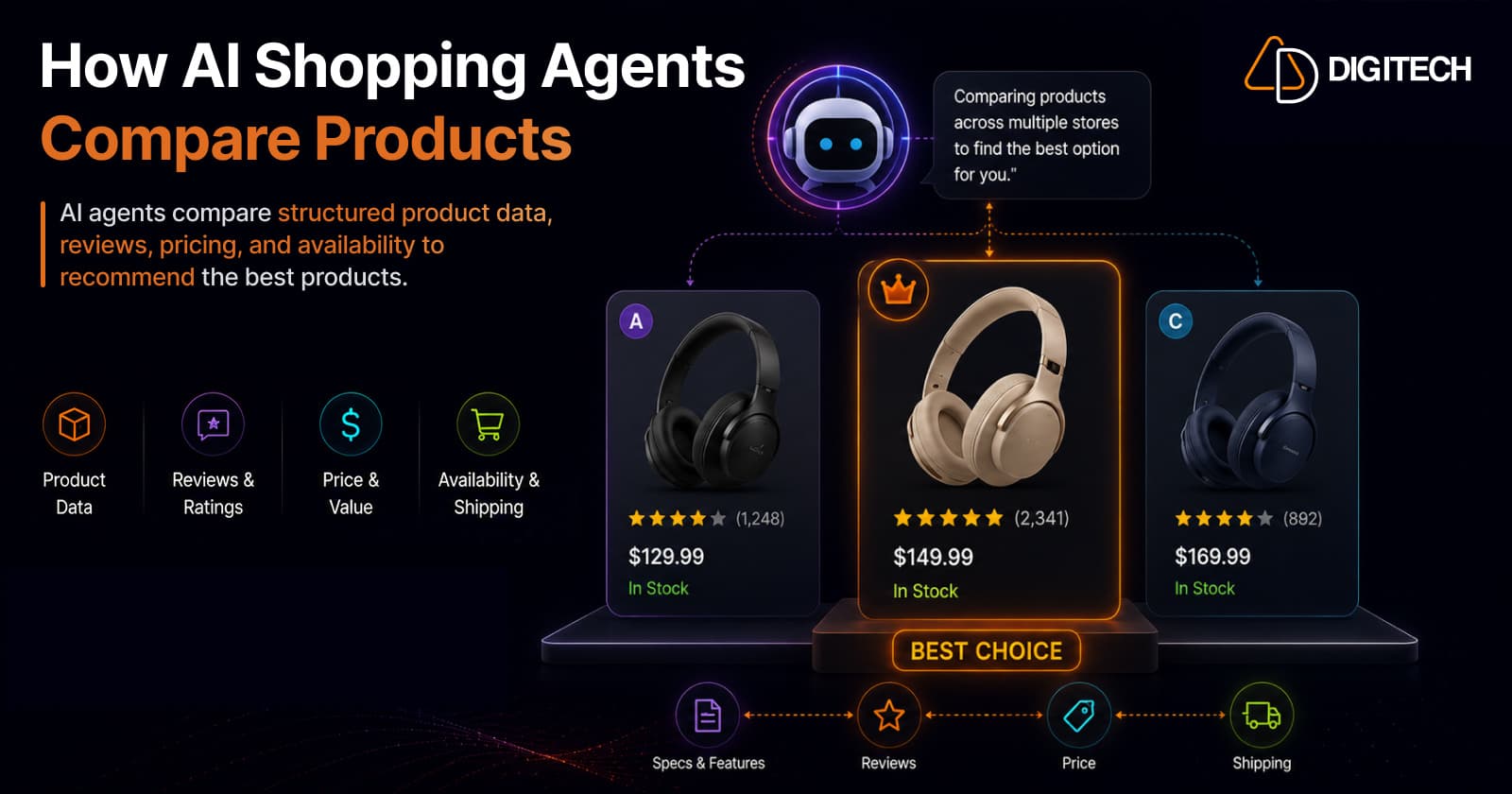
When a shopper asks an AI for the best product, the agent doesn't browse like a human — it reads structured product data across dozens of stores and compares them head-to-head on attributes, value, price, and reviews, then picks winners. Here's exactly how that comparison works, the signals it weighs, and how to make your Shopify products win the shortlist.

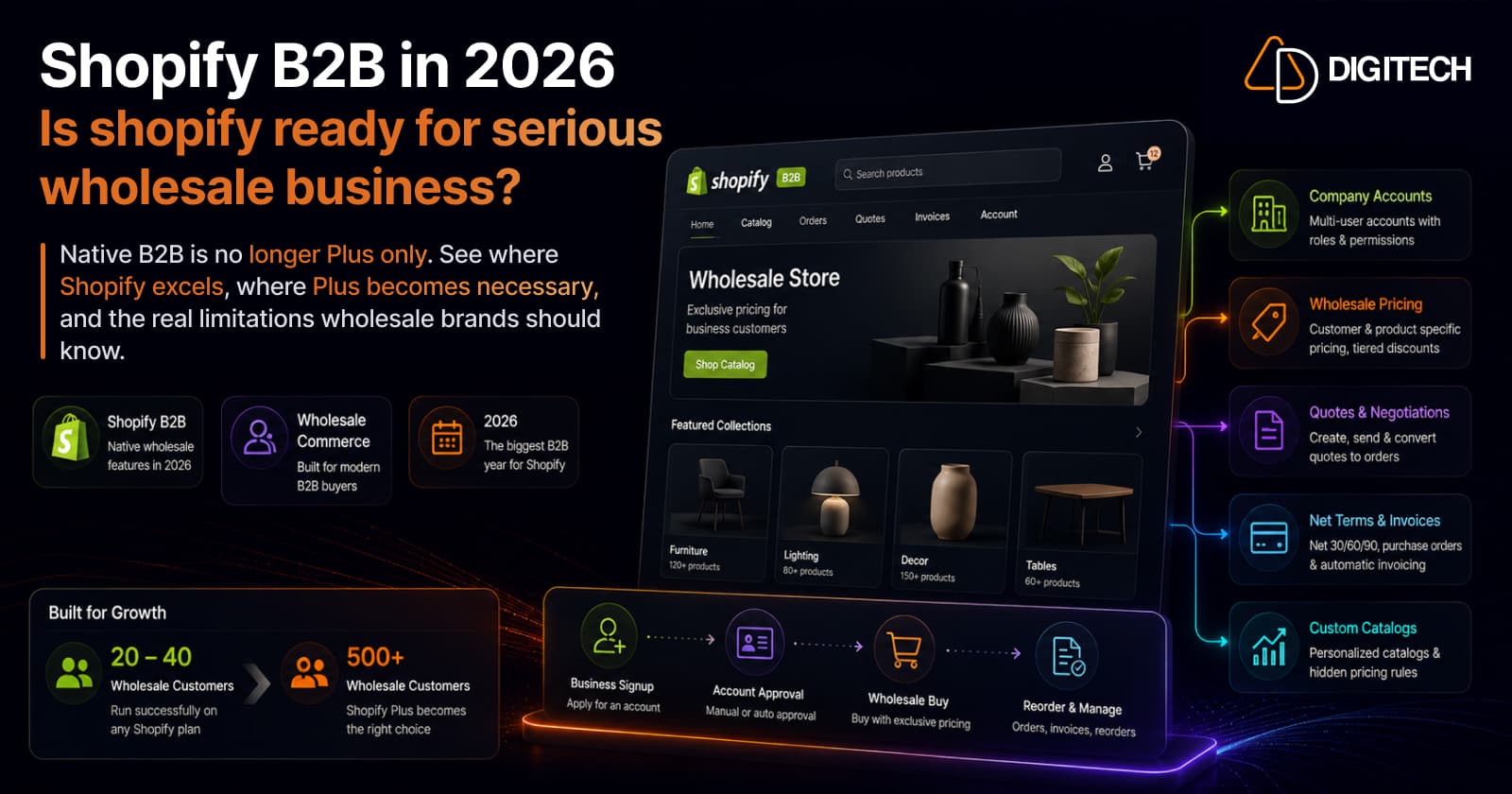
Shopify B2B had a big 2026: native wholesale features are no longer Plus-only, and Winter '26 closed much of the gap with dedicated B2B platforms. So is Shopify ready for serious wholesale? For most brands, yes — here's what you get, where the real scale line sits, and the honest limitations to know before you commit.
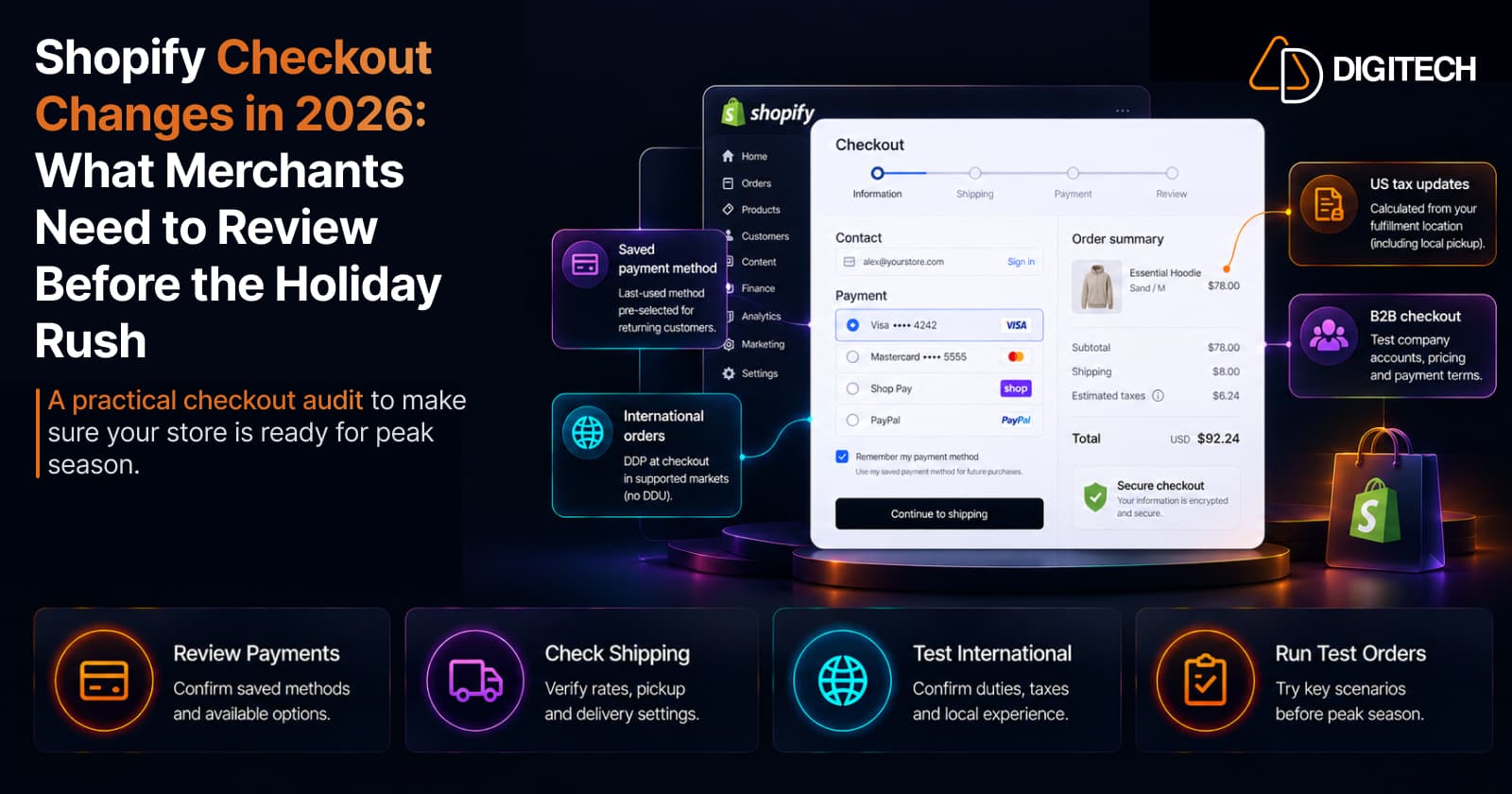
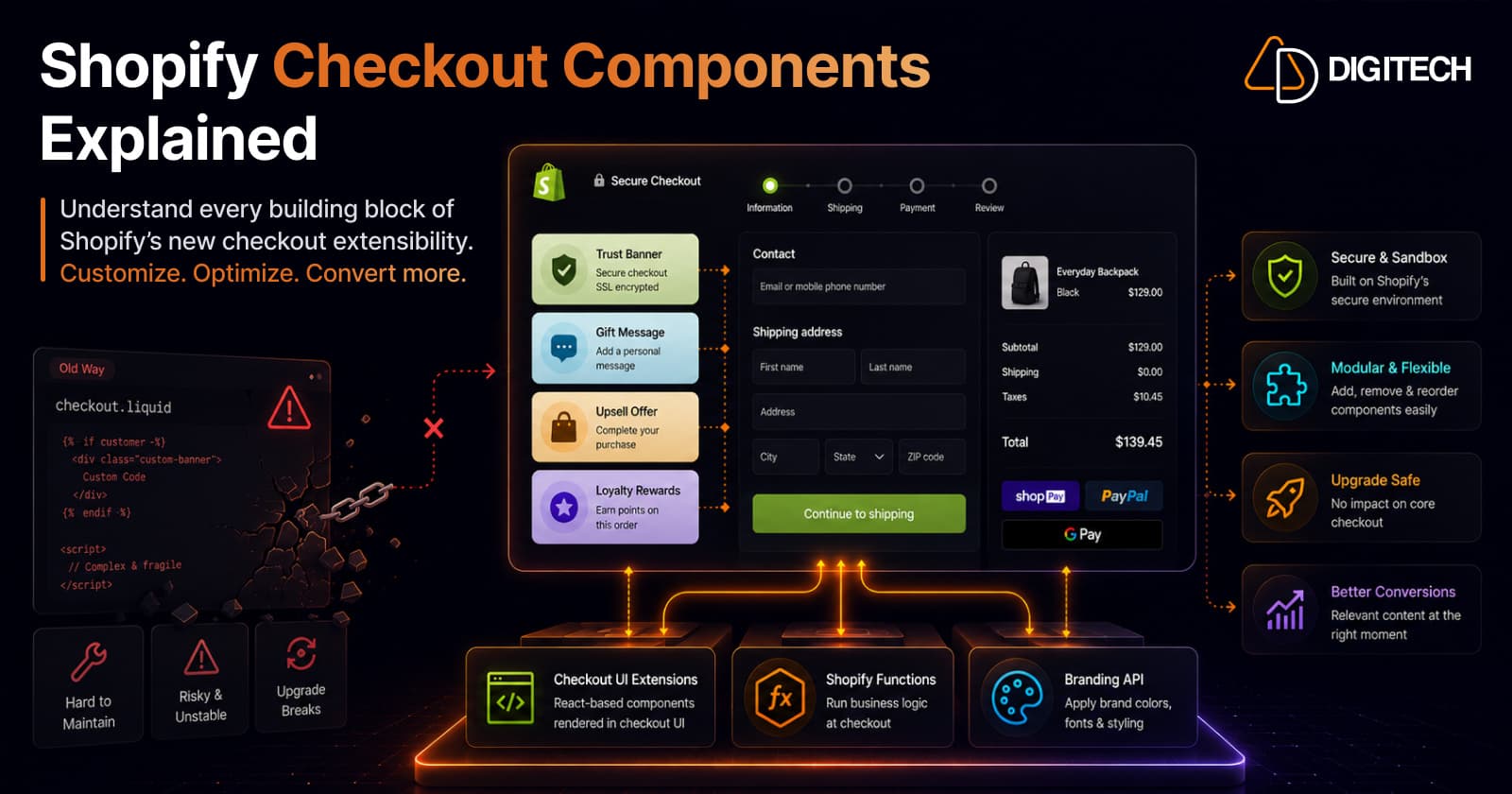
Checkout Components — Shopify's Checkout UI Extensions — are the modern, supported way to customize checkout: sandboxed React-style components that add banners, custom fields, and upsells without touching checkout.liquid. Here's what they are, what you can build, why the new model is safer, and what's available on your plan in 2026.

Horizon is Shopify's new flagship theme — nested blocks, global blocks, AI block generation, and a far better editor. But is it worth migrating your existing store in 2026? Here's what Horizon does better than Dawn, where it still trails on mobile performance, why the move is a rebuild not a swap, and a clear decision framework.

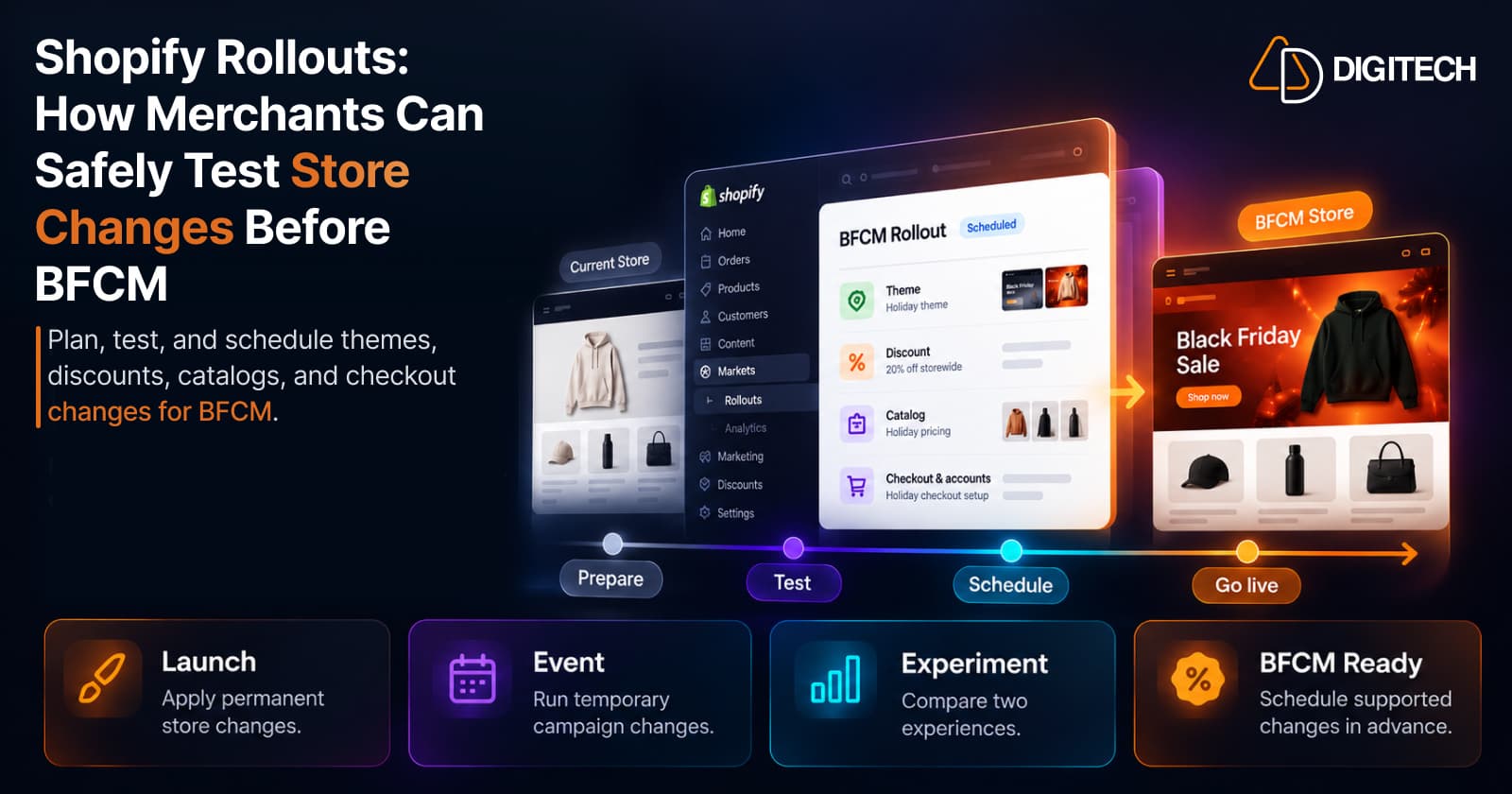
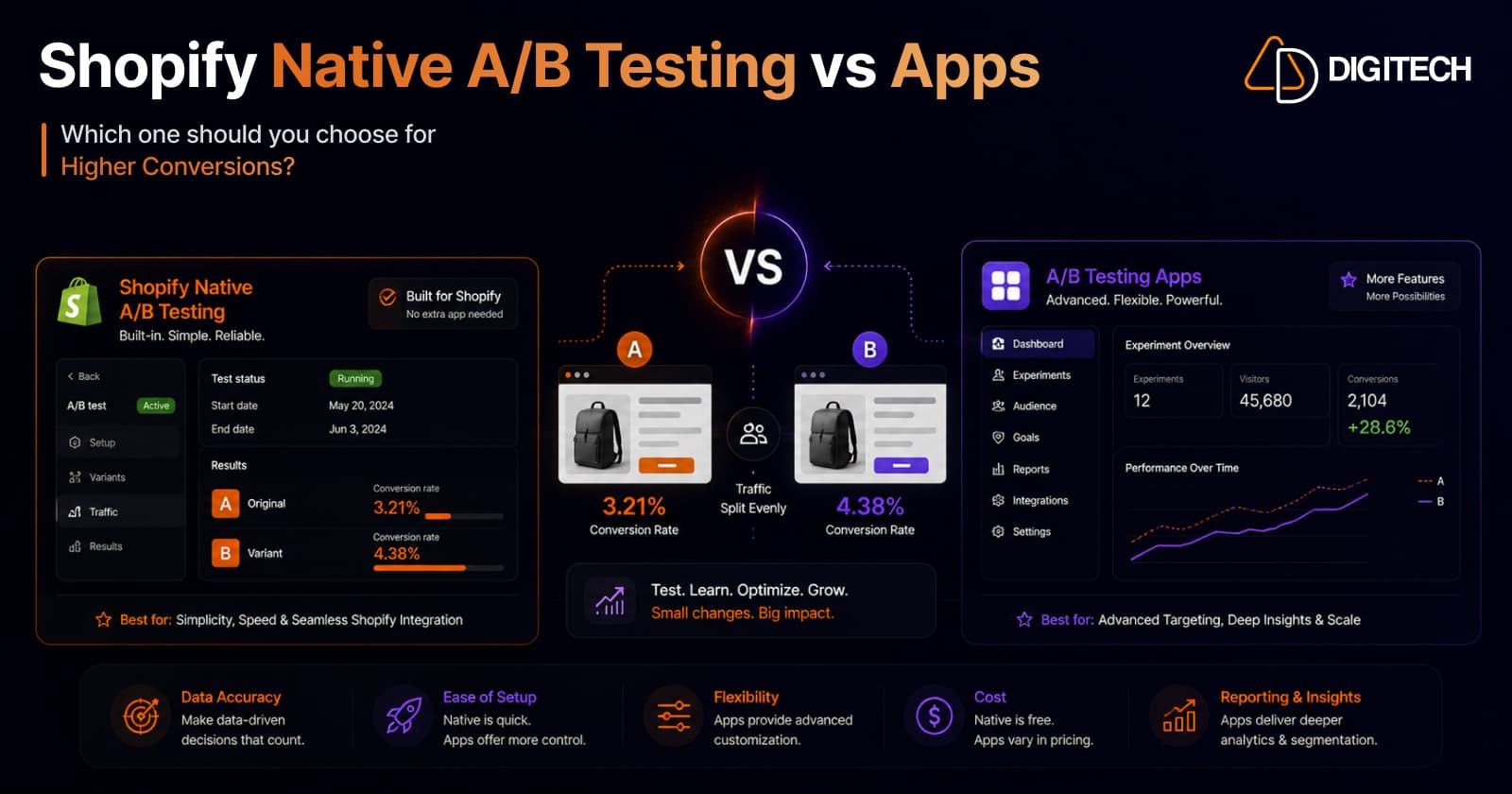
Shopify now ships native A/B testing — Rollouts — for themes and checkout, server-side and with no app. So do you still need Shoplift, Intelligems, or Visually? Here's exactly what native testing does well, what it can't do yet, and a clear decision framework for choosing between native and third-party tools in 2026.

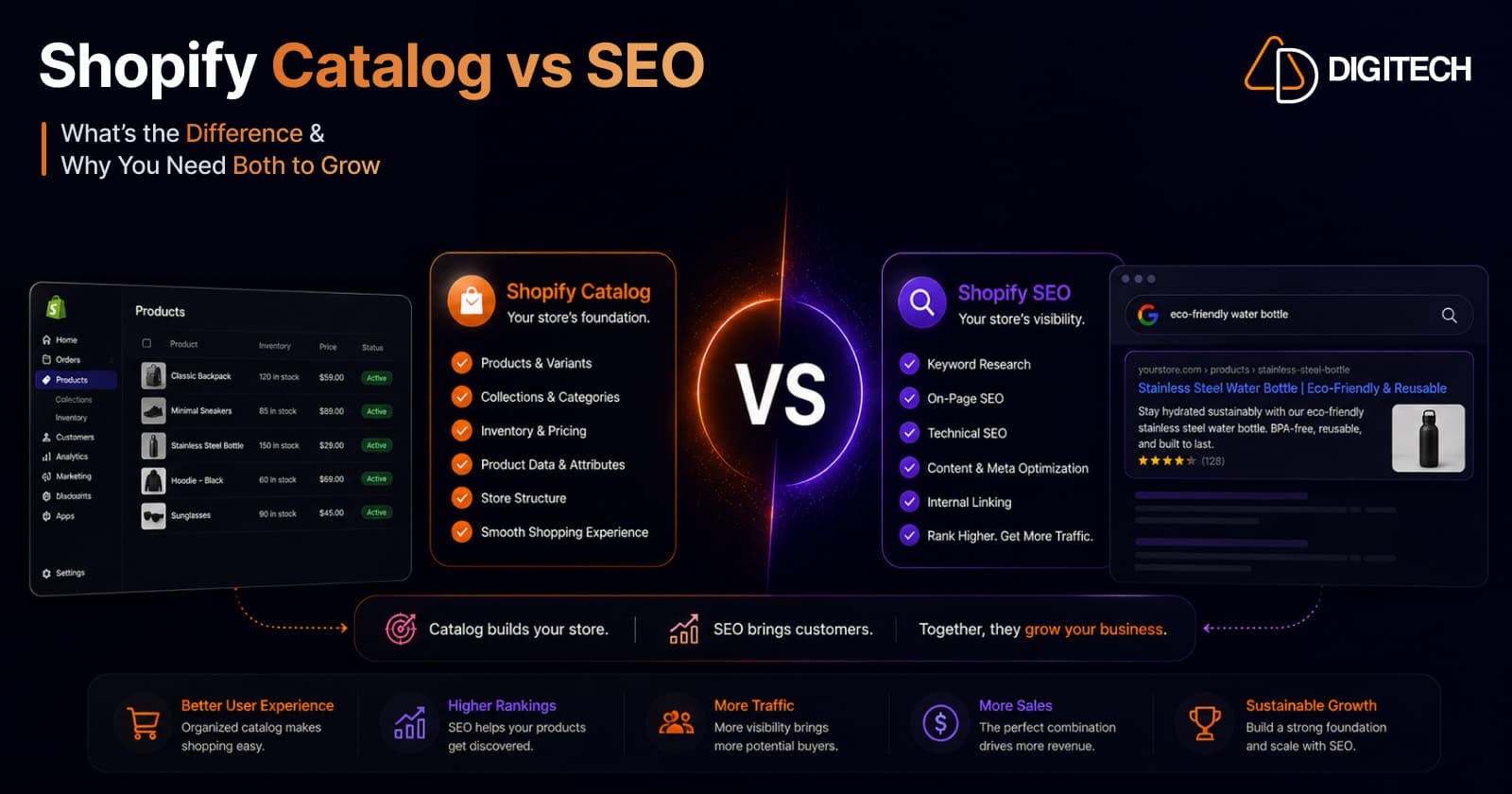
Discovery is moving from ranked web pages to AI agents that read structured product data. In 2026, the quality of your Shopify Catalog — not your meta tags and backlinks — increasingly decides whether AI recommends and sells your products. Here's why the catalog is the new front page, and what to do about it.

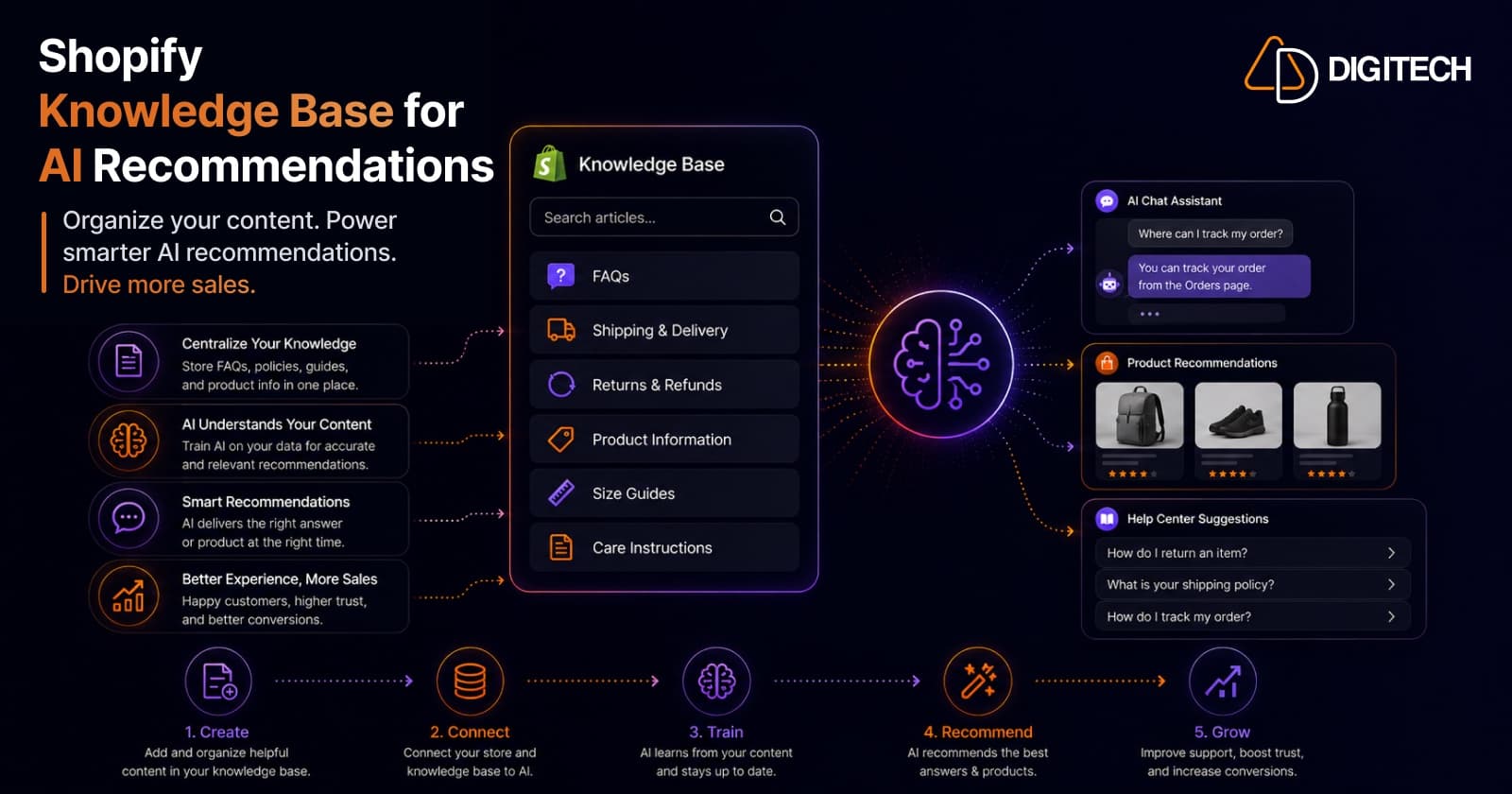
AI assistants only recommend products they understand and can answer questions about. Shopify's Knowledge Base feeds your brand context — policies, FAQs, and brand voice — directly to AI, so agents represent you accurately and recommend you instead of a competitor. Here's how it works, why it matters, and what to put in it.

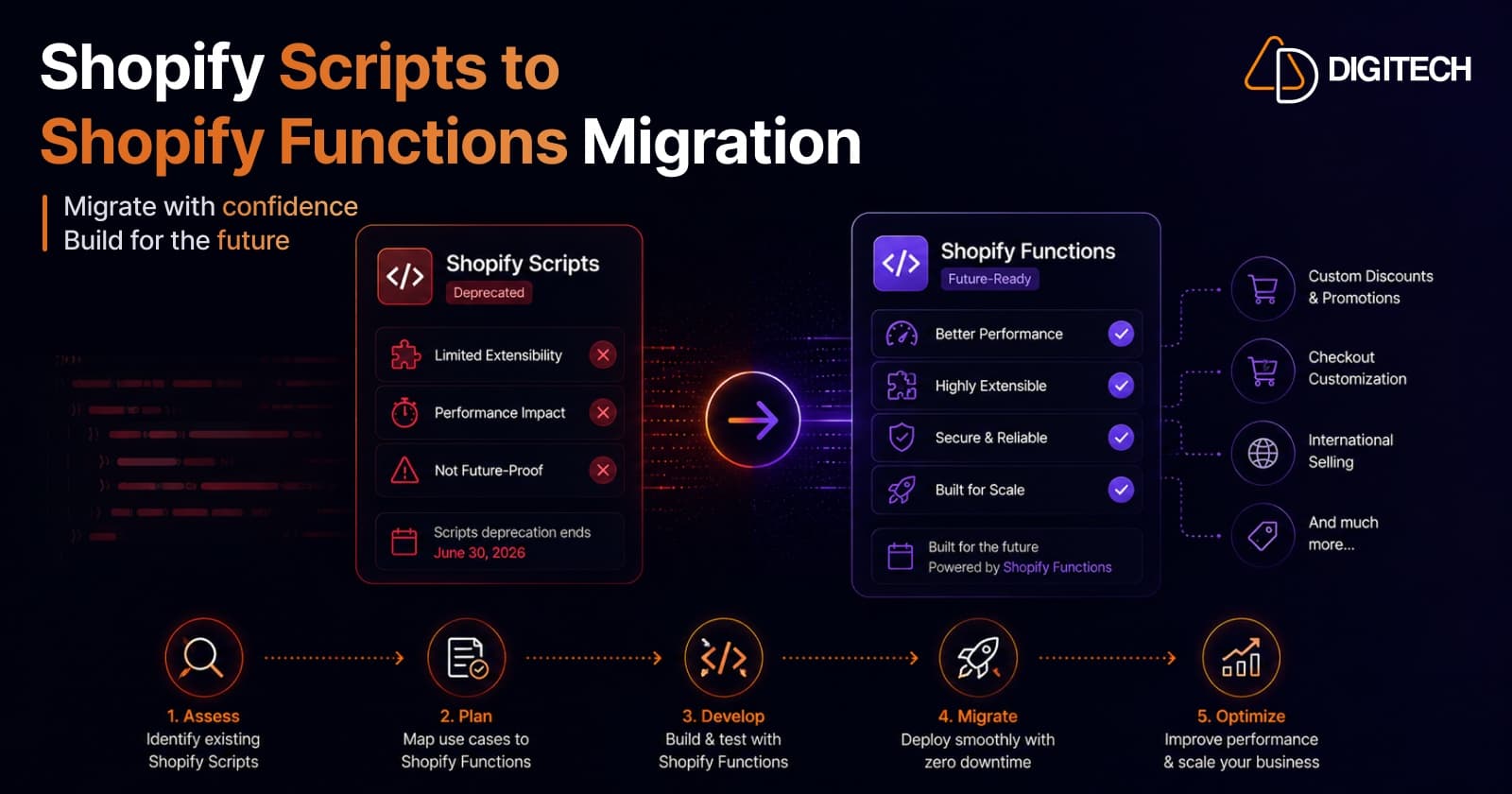
Shopify Scripts and checkout.liquid stop executing on June 30, 2026 — permanently, with no grace period. This complete guide covers exactly what's affected, how to audit your Scripts, the three migration paths to Shopify Functions, and a step-by-step cutover plan to keep your discount, shipping, and payment logic working.

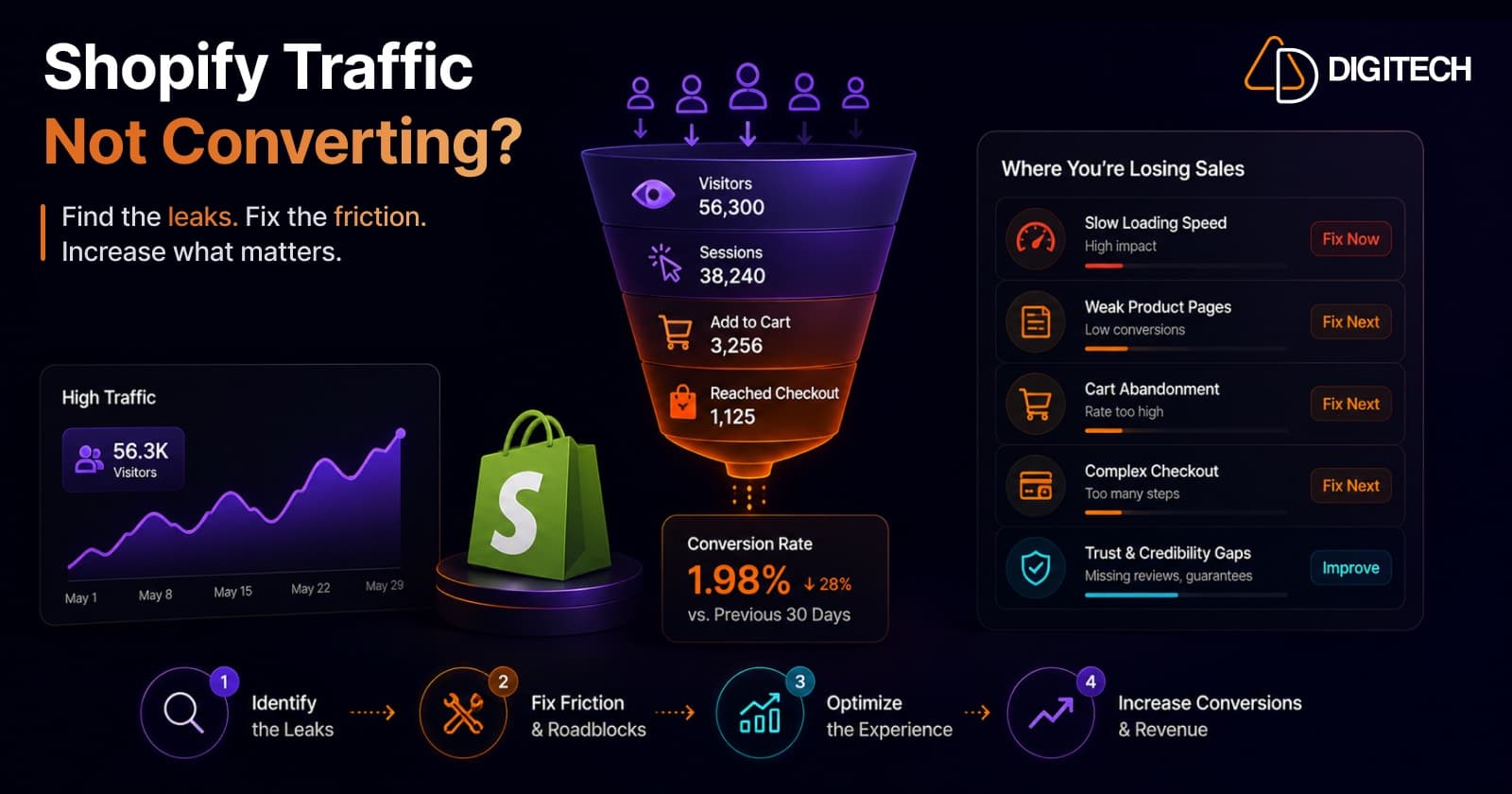
Traffic is up but sales aren't following? The problem is almost never traffic — it's the conversion gap. Here are the real reasons Shopify stores leak sales despite growing visits — speed, product pages, mobile, checkout, trust, traffic quality, and search — and how to diagnose and fix each.

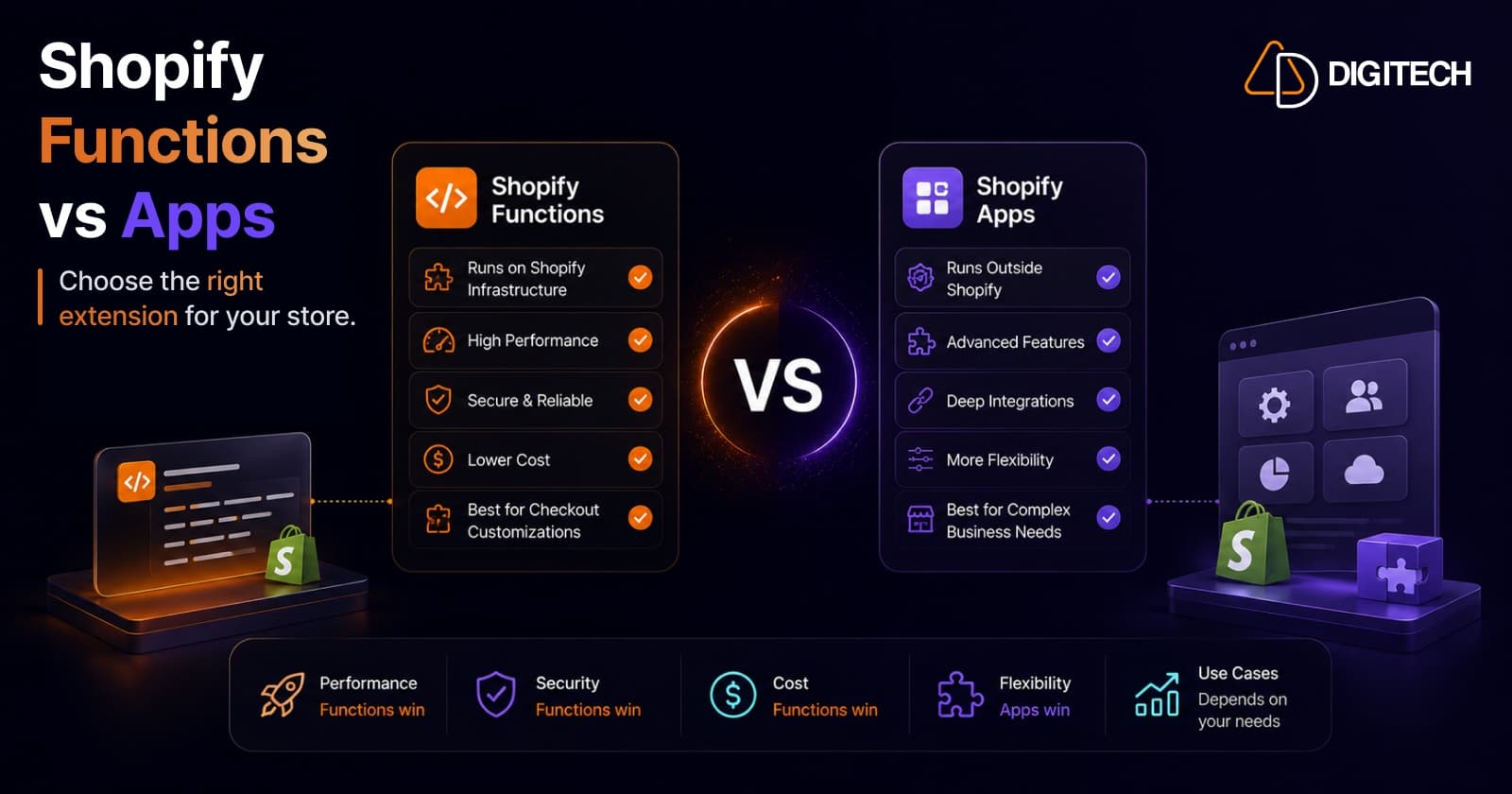
Shopify Functions run custom logic natively on Shopify's infrastructure; traditional apps run on external servers with full flexibility. Here's a practitioner's guide to which to use, when to combine them, and why the June 30, 2026 Scripts sunset makes the decision urgent.

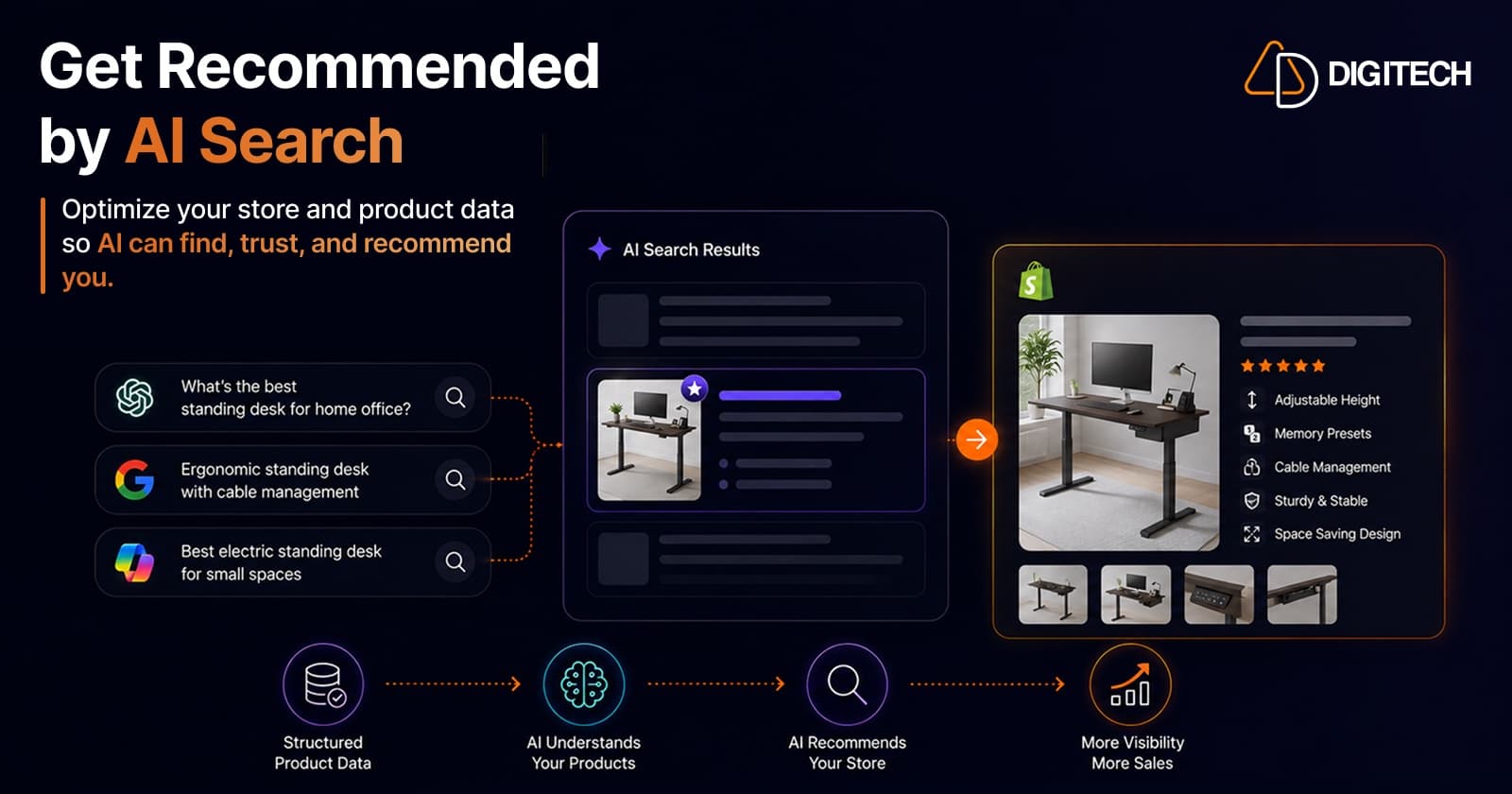
ChatGPT, Claude, and Perplexity now recommend products directly to shoppers. Here's how Shopify brands earn those recommendations — a practical 2026 guide to Generative Engine Optimization (GEO): the signals AI models trust, what to fix on-site and off-site, and how to measure your AI visibility.

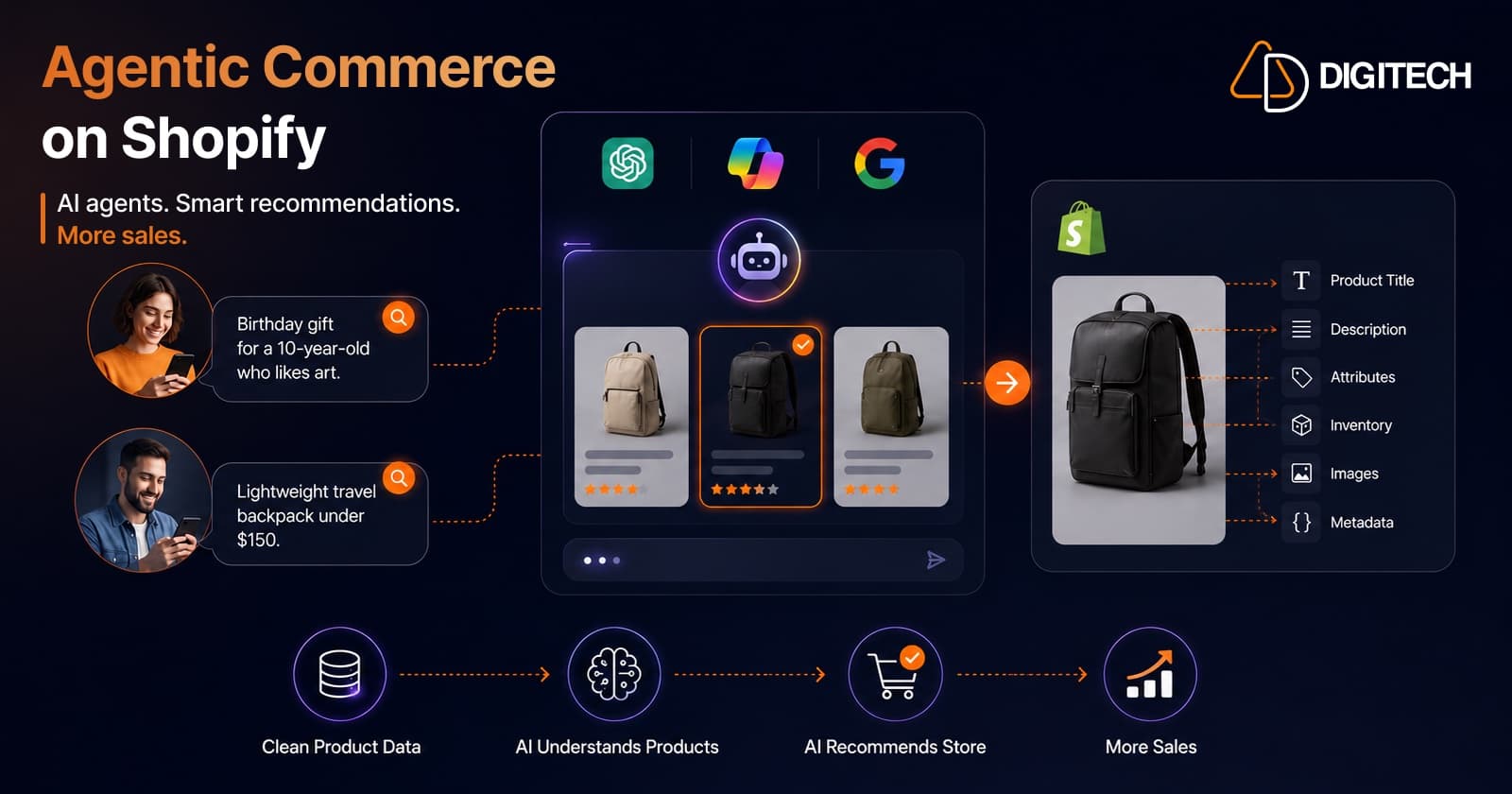
Shopify's Spring '26 Edition makes your products buyable inside ChatGPT, Microsoft Copilot, and Google AI Mode. Here's what agentic commerce actually means for merchants — and a practical, no-hype checklist to get your Shopify store ready for AI shopping agents in 2026.

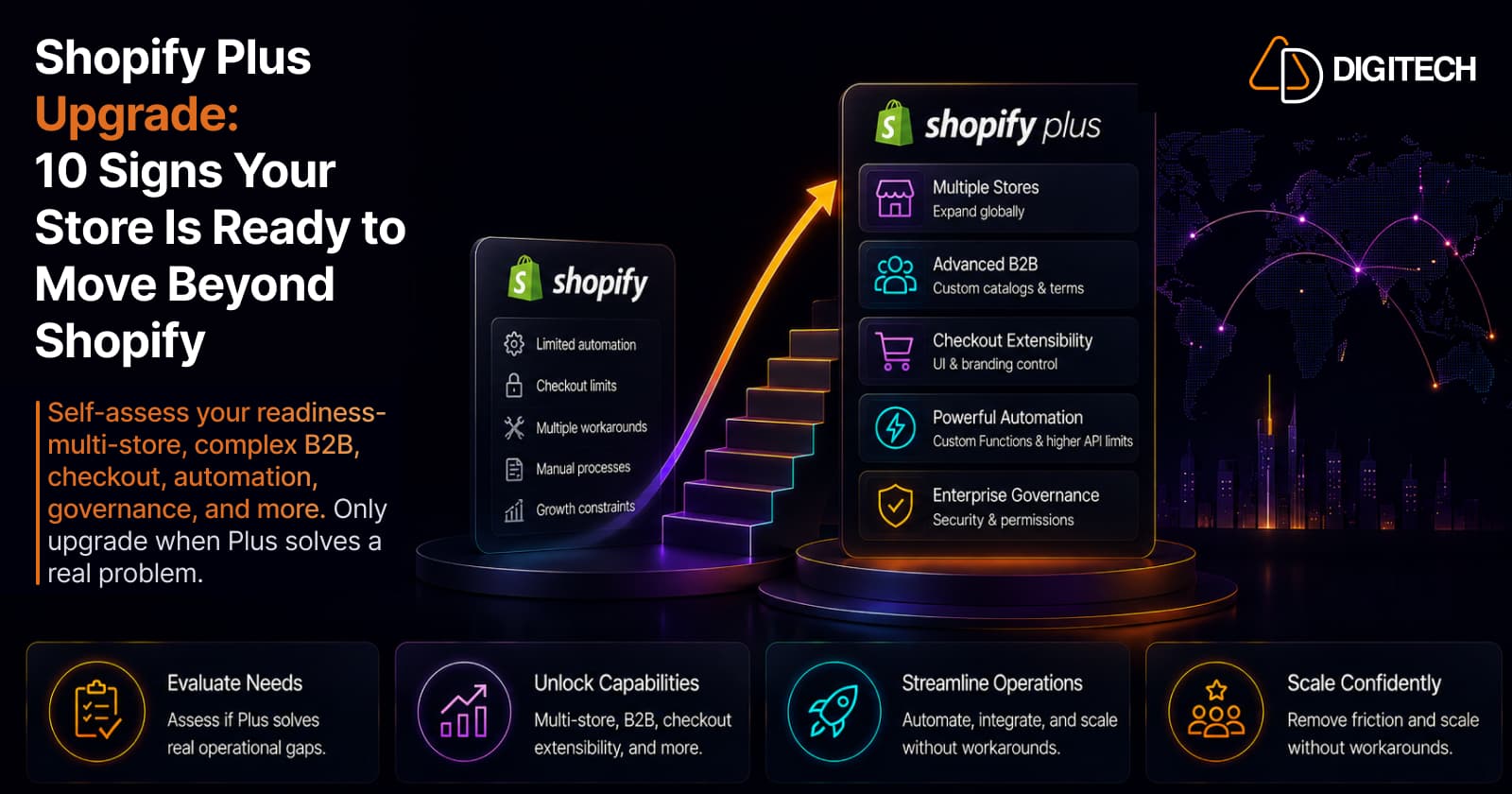
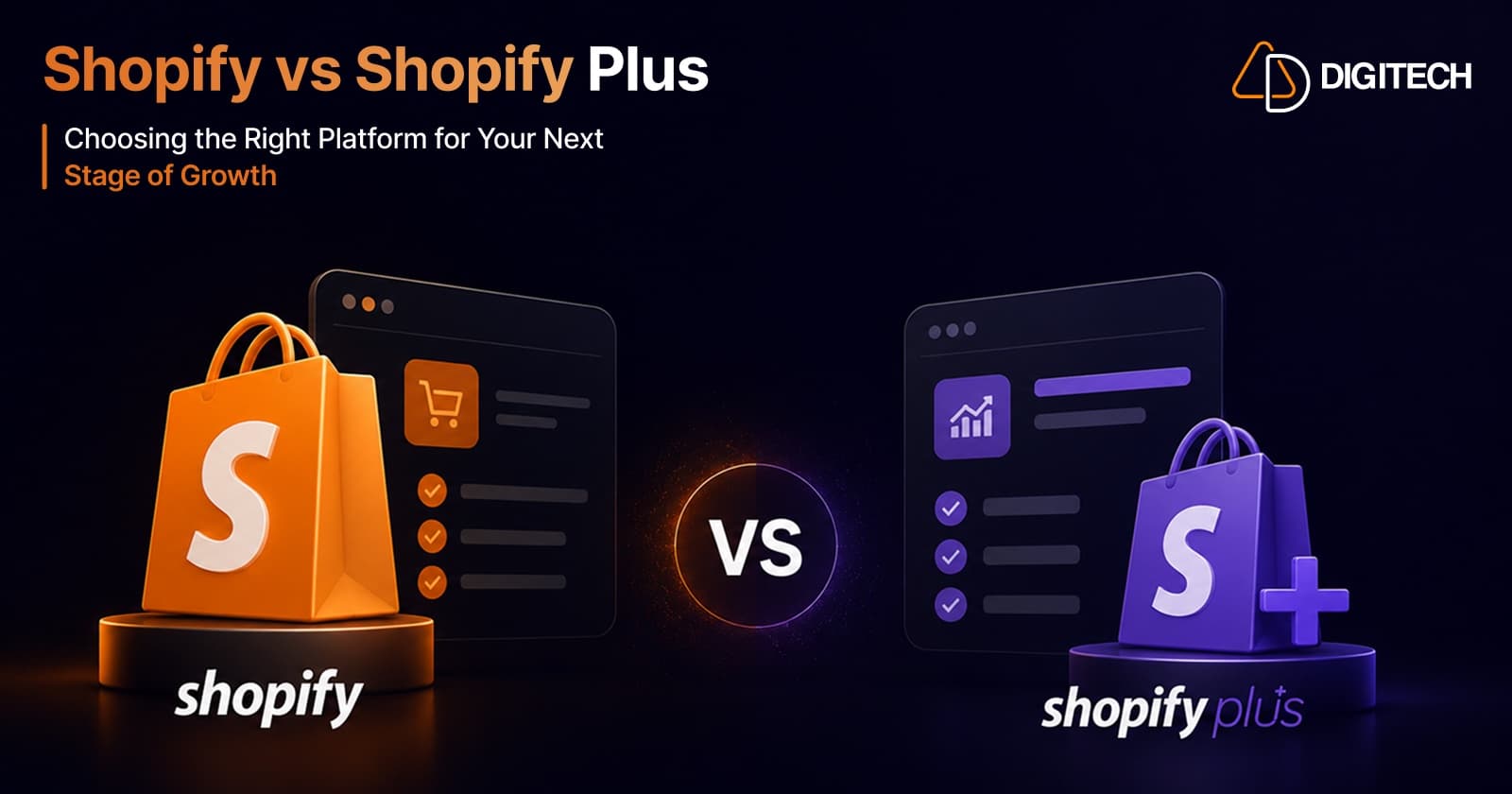
A practitioner's guide to choosing between standard Shopify and Shopify Plus in 2026 — real pricing, the Plus-only features that actually matter, and the specific signals that mean it's time to upgrade (and when it isn't).

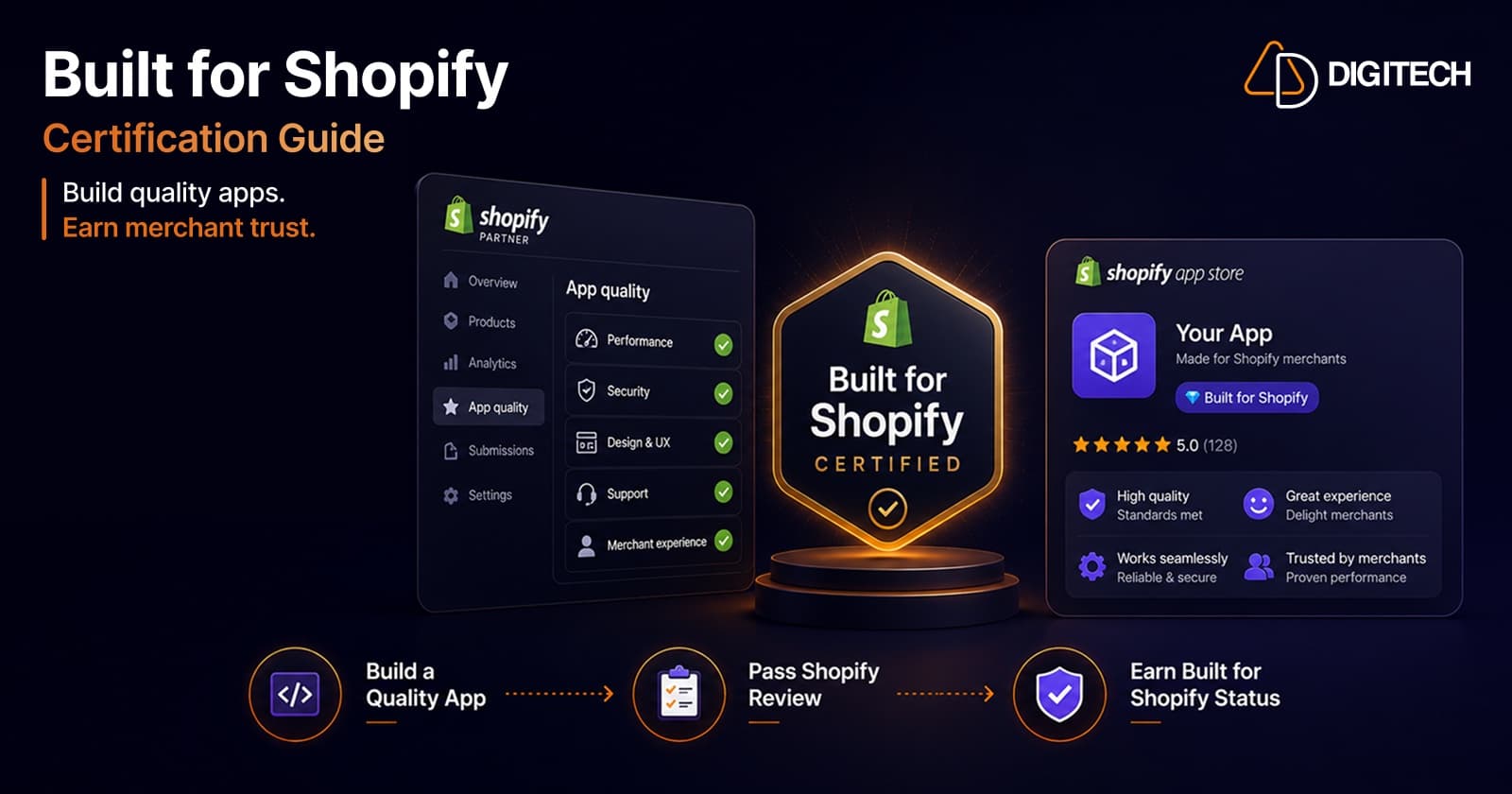
What the Built for Shopify badge actually requires in 2026 — the performance, design, and integration bars — and the step-by-step path to earning and keeping it, from a team with two certified apps.
Whether you need a Shopify store, SaaS platform, Shopify app, or custom web solution, AD Digitech helps you scale with modern technology and premium user experiences.